Naturenews.africa
Advertisement
  • Environment
    • Ecology
    • Climate
    • Desertification 
    • Flooding
    • Erosion
    • Oil spillage
    • Ozone layer
  • Sustainability
    • Energy
    • Green House
    • Wildlife
    • Maritime
    • Tourism
  • Agriculture
  • Advisory Board
    • Emir Muhammad Hamim Nuhu Sanusi CFR
    • Prof. Abdoulaye Bathily
    • Mr. Nnimmo Bassey
    • Prof. Mark Mwandosya
    • Ms. Hawe Hamman Bouba
    • Professor Salah Arafa
    • Mr. Desmond Majekodunmi
    • Ms. Ikal Angelei
    • Professor Jimmy Adegoke
  • UN Days
  • Fact Check
  • Donate
  • Africa
    • Central Africa
    • East Africa
    • North Africa
    • Southern Africa
    • West Africa
Naturenews.africa
  • Environment
    • Ecology
    • Climate
    • Desertification 
    • Flooding
    • Erosion
    • Oil spillage
    • Ozone layer
  • Sustainability
    • Energy
    • Green House
    • Wildlife
    • Maritime
    • Tourism
  • Agriculture
  • Advisory Board
    • Emir Muhammad Hamim Nuhu Sanusi CFR
    • Prof. Abdoulaye Bathily
    • Mr. Nnimmo Bassey
    • Prof. Mark Mwandosya
    • Ms. Hawe Hamman Bouba
    • Professor Salah Arafa
    • Mr. Desmond Majekodunmi
    • Ms. Ikal Angelei
    • Professor Jimmy Adegoke
  • UN Days
  • Fact Check
  • Donate
  • Africa
    • Central Africa
    • East Africa
    • North Africa
    • Southern Africa
    • West Africa
No Result
View All Result
Naturenews.africa
No Result
View All Result
Home Energy

Africa’s electricity generation to double by 2030 – Research

by Olamide Francis
January 16, 2021
in Energy
Reading Time: 3 mins read
0
Nigeria records ‘highest power transmission’
Share on FacebookShare on Twitter

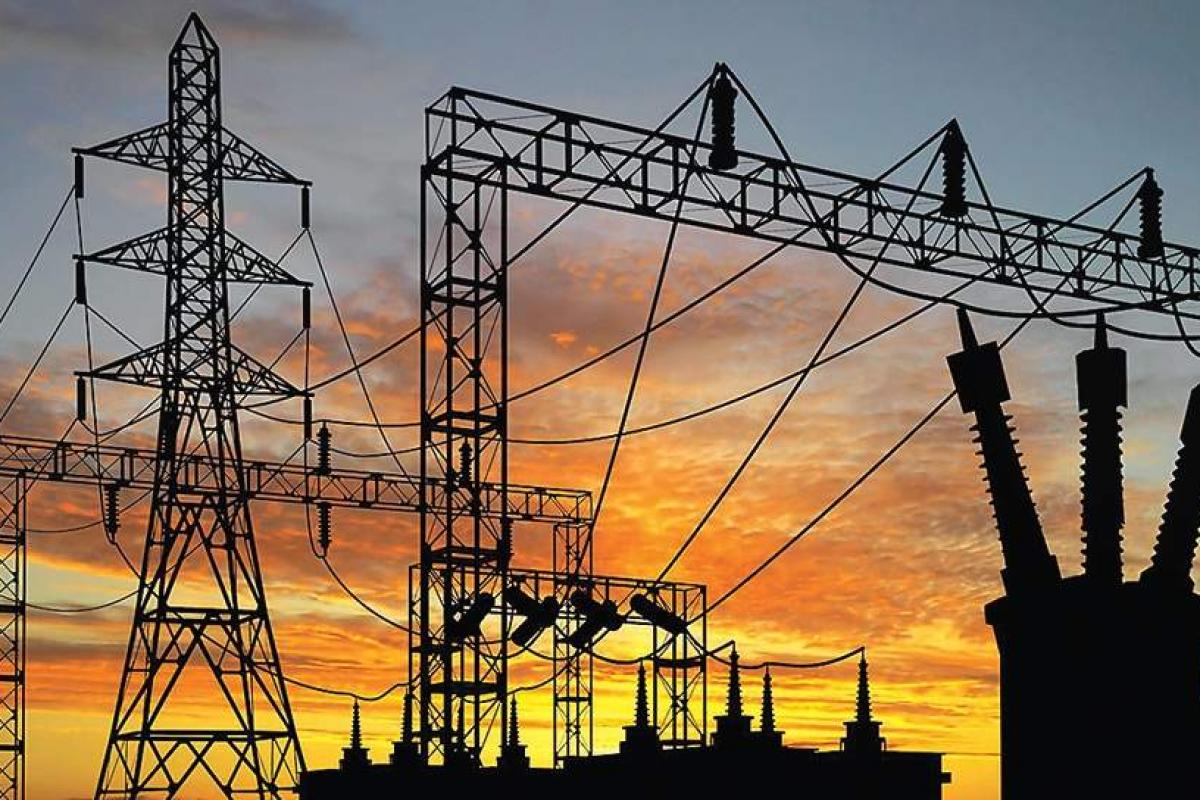
New research from the University of Oxford has predicted that the total electricity generation across the African Continent will double by 2030.

The study also expects that fossil fuel will still be dominant in Africa’s energy mix by the end of the decade, accounting for two-thirds of all generated electricity across Africa, posing a potential risk to global climate change commitments.

An estimated 18% of the generation is set to come from hydro-energy projects, which have their own challenges, such as being vulnerable to an increasing number of droughts caused by climate change.

The study, which looked into Africa’s energy generation landscape, uses a state-of-the-art machine-learning technique to analyse the pipeline of more than 2,500 planned power plants and their chances of successful commission.

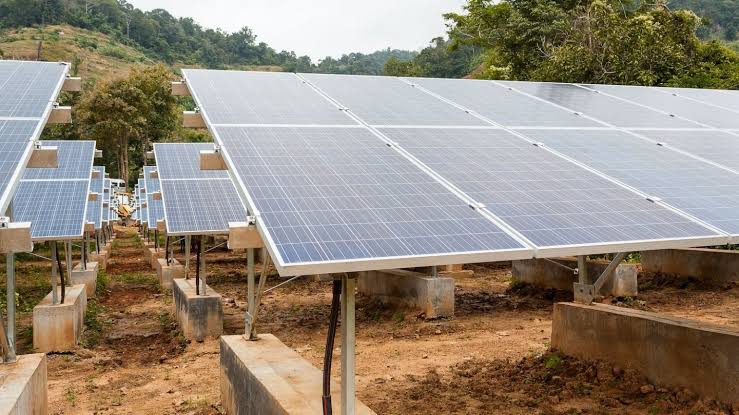
The study shows the share of non-hydro renewables in African electricity generation is likely to remain below 10% in 2030, although it varies by region.

Read also: Idiroko border to remains shut – Custom says

The Study Lead Author and Researcher at the Oxford Smith School of Enterprise and the Environment Galina Alova said that; ‘’Africa’s electricity demand is set to increase significantly as the continent strives to industrialise and improve the wellbeing of its people, which offers an opportunity to power this economic development through renewables.”

“There is a prominent narrative in the energy planning community that the continent will be able to take advantage of its vast renewable energy resources and rapidly decreasing clean technology prices to leapfrog to renewables by 2030 but our analysis shows that overall it is not currently positioned to do so.”

Also, Philipp Trotter, Study Author and Researcher at the Smith School said: “The development community and African decision-makers need to act quickly if the continent wants to avoid being locked into a carbon-intense energy future. Immediate re-directions of development finance from fossil fuels to renewables are an important lever to increase experience with solar and wind energy projects across the continent in the short term, creating critical learning curve effects.”

The study suggests that a decisive move towards renewable energy in Africa would require a significant shock to the current system. This includes the large-scale cancellation of fossil fuel plants currently being planned.

In addition, the study identifies ways in which planned renewable energy projects can be designed to improve their success chances – for example, smaller size, fitting ownership structure, and availability of development finance. Fossil fuels include coal, petroleum, natural gas, oil shales, bitumen, tar sands, and heavy oils.

All contain carbon and were formed as a result of geologic processes acting on the remains of organic matter produced by photosynthesis, a process that began in the Archean Eon (4.0 billion to 2.5 billion years ago). These non-renewable fuels supply about 80 percent of the world’s energy.

They provide electricity, heat, and transportation, while also feeding the processes that make a huge range of products, from steel to plastics

Tags: AfricaElectricity generation

Related Posts

Egypt, UAE deepen partnership on renewable energy, electricity

Egypt, UAE deepen partnership on renewable energy, electricity

August 18, 2026
Nigeria’s DARES expands renewable power access to 5.3m people

Nigeria’s DARES expands renewable power access to 5.3m people

August 16, 2026
AfDB approves $2m grant for ethiopia mini-grids

EBRD backs €120 million solar and battery project in Romania

August 16, 2026
Egypt accelerates renewable energy drive for regional leadership

China-Egypt solar lab advances renewable energy technology in Africa

August 16, 2026

Today’s Weather

Abuja, Nigeria
Monday, August 31, 2026
Fog
22 ° c
93%
8.3mh
28 c 21 c
Tue
25 c 19 c
Wed
  • Trending
  • Comments
  • Latest
COP17 unlocks $1.3bn for Africa as expert urges Nigeria to compete with data

COP17 unlocks $1.3bn for Africa as expert urges Nigeria to compete with data

August 29, 2026
Nigeria must act now on drought resilience, says Ifatimehin

Nigeria must act now on drought resilience, says Ifatimehin

August 29, 2026
Pan-Amazon forum rejects jaguar carbon credits

Pan-Amazon forum rejects jaguar carbon credits

August 28, 2026
NBTI unveils Tinubu Light Initiative, targets one million MSMEs

Why Mongolia’s COP17 Matters for Nigeria’s Climate Action

August 23, 2026
Ex-MD of Nigeria’s Daily Times Unveils Environment Newspaper, NatureNews

Ex-MD of Nigeria’s Daily Times Unveils Environment Newspaper, NatureNews

4
Sports Minister Dare to tee-off Liz-Ulumaranma inaugural golf tourney

Sports Minister Dare to tee-off Liz-Ulumaranma inaugural golf tourney

1
PwC Identifies Poor Infrastructure as Major Barrier to Agricultural Trade in Nigeria

PwC Identifies Poor Infrastructure as Major Barrier to Agricultural Trade in Nigeria

1

FAO Says 9.8 Million Residents across 16 States, FCT are Hungry

1
Sanga Moses: Turning agricultural waste into clean energy for Africa

Sanga Moses: Turning agricultural waste into clean energy for Africa

August 30, 2026
Abuja city with cattle  grazing unbated

Masterplan Review Amidst Prevailing Contraventions

August 30, 2026
Shortage of foundation seed threatens West Africa’s improved crop supply

Shortage of foundation seed threatens West Africa’s improved crop supply

August 30, 2026
WCS urges stronger global action on rangeland conservation

WCS urges stronger global action on rangeland conservation

August 30, 2026
Show Transparency Report
Naturenews.africa

© 2026 Nature News

  • Home
  • Advertisement
  • Contact Us
  • Privacy & Policy
  • Donation

No Result
View All Result
  • Environment
    • Ecology
    • Climate
    • Desertification 
    • Flooding
    • Erosion
    • Oil spillage
    • Ozone layer
  • Sustainability
    • Energy
    • Green House
    • Wildlife
    • Maritime
    • Tourism
  • Agriculture
  • Advisory Board
    • Emir Muhammad Hamim Nuhu Sanusi CFR
    • Prof. Abdoulaye Bathily
    • Mr. Nnimmo Bassey
    • Prof. Mark Mwandosya
    • Ms. Hawe Hamman Bouba
    • Professor Salah Arafa
    • Mr. Desmond Majekodunmi
    • Ms. Ikal Angelei
    • Professor Jimmy Adegoke
  • UN Days
  • Fact Check
  • Donate
  • Africa
    • Central Africa
    • East Africa
    • North Africa
    • Southern Africa
    • West Africa

© 2026 Nature News

This website uses cookies. By continuing to use this website you are giving consent to cookies being used. Visit our Privacy and Cookie Policy.