By Rasheeda Hamidu
Climate change is increasing mental stress and may be contributing to higher levels of waterborne infections in Ireland, according to a new study assessing the health impacts of extreme weather events.
The study, published by Ireland’s Environmental Protection Agency (EPA) in August 2026, found that 51 per cent of 456 respondents reported worsened health after experiencing extreme weather events, with younger people reporting higher levels of psychological stress.
The research, known as CRISIS, also found links between flooding and increased cases of verotoxigenic-producing E. coli (VTEC) and cryptosporidiosis, two infections that can cause stomach pain and diarrhoea.
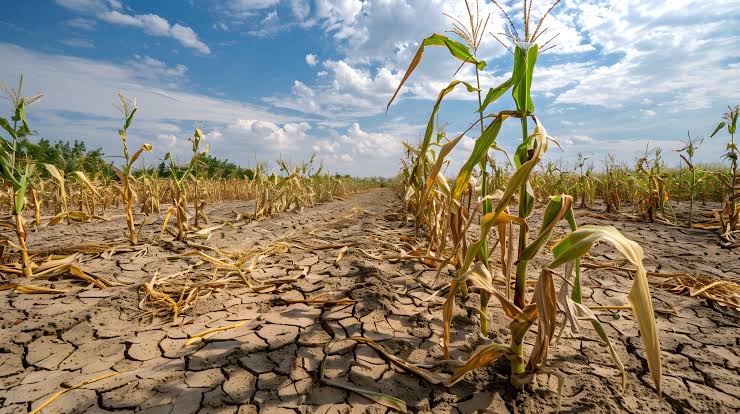
Researchers linked the 2015/16 winter floods to significant increases in VTEC and cryptosporidiosis cases in April 2016, while the 2018 heatwave and drought were also associated with a rise in VTEC cases.
The study warned that climate change could increase these health risks as Ireland experiences warmer temperatures and more frequent heavy rainfall, particularly in rural areas where agricultural runoff can contaminate water sources.
It projected that Ireland’s average temperature could rise by 1°C to 1.6°C by 2100, with winter temperatures potentially increasing by as much as 3.1°C.
The researchers also found that people using private wells could face greater risks of waterborne infections following prolonged heavy rainfall, while the proportion of Ireland’s population living in flood-prone areas is expected to increase.
The report said younger people, urban residents and socioeconomically disadvantaged groups experienced the highest levels of stress linked to extreme weather, highlighting the need for climate adaptation measures that address different levels of vulnerability.
The CRISIS study, led by researchers from University College Cork, combined health data, surveys, spatial analysis and climate projections to assess how climate change is affecting health and wellbeing in Ireland.
NatureNews notes that the findings show that climate change is not only an environmental issue but also a growing public health concern, requiring stronger disease surveillance, emergency preparedness, water-quality management and mental health support as extreme weather risks increase.
Quality journalism costs money. Today, we're asking that you support us to do more. Support our work by sending in your donations.
The donation can be made directly into NatureNews Account below