


By Abbas Nazil and Abdullahi Lukman
Residents of Okene and Ankpa, Kogi State’s major cities, have raised alarms over waste management crisis that has left streets, marketplaces, and drainage systems overwhelmed with refuse, prompting widespread calls for government intervention.
The two cities, that are vibrant commercial centers in Kogi Central and Kogi East zones, are increasingly defined by heaps of uncollected waste, clogged gutters, and persistent foul odors that now shape daily life for thousands of residents and traders.
Across Okene, particularly in busy marketplaces and inner streets, indiscriminate dumping has become widespread, with refuse piling up in open spaces and spilling into drainage channels designed to carry rainwater.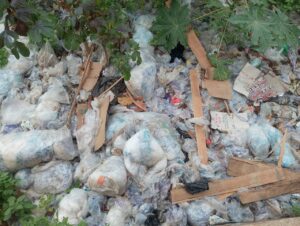
In Ankpa, a similar pattern has emerged, worsened by the complete absence of an officially designated dump site, leaving residents and business owners with little choice but to dispose of waste wherever space is available.
The situation in both towns becomes critical whenever it rains, as accumulated debris is washed onto roads, turning them into muddy and often impassable routes for commuters and traders.
Floodwaters frequently carry waste into shops and homes, disrupting economic activities and exposing residents to contaminated environments.
Blocked drainage systems in both communities have significantly worsened flooding, with stagnant water creating ideal breeding grounds for mosquitoes and increasing the risk of waterborne diseases.
Traders who spoke to NatureNews say the growing sanitation crisis is already affecting livelihoods as many potential customers are discouraged from visiting markets that are overwhelmed by waste and offensive smells.
“We are suffering here,” a market woman in Okene said, gesturing toward a drainage channel filled with plastic waste and decaying materials.
“When it rains, everything flows into the road and even into our shops, and nobody is coming to help us.”
In Ankpa, residents expressed similar frustration, recalling a time when sanitation enforcement was more effective and visible.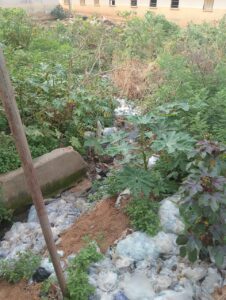
“When I was younger, we had an environmental task force that made sure refuse was properly disposed of,” said Suleiman Isah, a resident of Ankpa.
“For years now, those operations have stopped, and you can see the impact everywhere.”
Another resident, Emidowoji Iye, noted that the absence of enforcement has allowed indiscriminate dumping to become normalized.
“There used to be order. Now people dump waste anywhere, including inside gutters, because there is no proper system or monitoring,” he said.
In Ankpa Main Market and along Otukpo Road, piles of refuse have become a common sight, with waste often dumped directly into gutters and waterways.
These blocked drainage channels prevent the free flow of water, causing frequent flooding that spills back onto roads and into nearby residential areas.
Residents in both towns argue that the crisis goes beyond poor sanitation habits, pointing instead to a lack of structured waste management systems and weak enforcement of environmental regulations.
They are calling on the Kogi State Government to urgently establish properly designed and accessible dumping sites to address the growing problem.
Many also demand the reactivation and strengthening of environmental sanitation agencies to monitor, regulate, and enforce compliance with waste disposal laws.
Community leaders stress that without consistent oversight and penalties, indiscriminate dumping will continue to thrive unchecked.
They further emphasize the importance of public awareness campaigns to educate citizens on responsible waste disposal practices.
According to them, a coordinated approach that combines infrastructure development, enforcement mechanisms, and community engagement is essential for achieving lasting solutions.
Environmental advocates warn that failure to act swiftly could worsen the situation, particularly as the rainy season intensifies across the state.
They note that poor waste management not only degrades the environment but also poses serious public health risks and undermines economic productivity.
For many residents, the crisis has become a daily struggle that affects their health, safety, and dignity.
Parents worry about children growing up in unsanitary conditions, while traders fear continued loss of income as customers avoid affected areas.
Despite repeated complaints, many residents feel abandoned, expressing frustration over what they describe as a lack of visible government response to the escalating situation.
As the waste continues to pile up and drainage systems remain blocked, the urgency for intervention grows stronger with each rainfall.
Residents of Okene and Ankpa say their message is clear: they need immediate and sustained action to restore cleanliness, ensure proper waste management, and protect their communities from further environmental and health hazards.
Without decisive steps, they warn, the crisis may spiral further, making recovery more difficult and prolonging the suffering of already burdened communities.
For now, their collective voices continue to rise in a call for help, urging authorities to act before the situation reaches an irreversible point.
