Tuesday, September 8, 2026
Naturenews.africa
Advertisement
  • Home
  • Environment
    • Ecology
    • Climate
    • Desertification 
    • Flooding
    • Erosion
    • Oil spillage
    • Ozone layer
  • Sustainability
    • Energy
    • Green House
    • Wildlife
    • Maritime
    • Tourism
  • Agriculture
  • Advisory Board
    • Emir Muhammad Hamim Nuhu Sanusi CFR
    • Prof. Abdoulaye Bathily
    • Mr. Nnimmo Bassey
    • Prof. Mark Mwandosya
    • Ms. Hawe Hamman Bouba
    • Professor Salah Arafa
    • Mr. Desmond Majekodunmi
    • Ms. Ikal Angelei
    • Professor Jimmy Adegoke
  • UN Days
  • Fact Check
  • Donate
  • Africa
    • Central Africa
    • East Africa
    • North Africa
    • Southern Africa
    • West Africa
  • More
    • About Us
    • Advisory Board
    • Contact Us
    • Terms of Use
    • Donation
Naturenews.africa
  • Home
  • Environment
    • Ecology
    • Climate
    • Desertification 
    • Flooding
    • Erosion
    • Oil spillage
    • Ozone layer
  • Sustainability
    • Energy
    • Green House
    • Wildlife
    • Maritime
    • Tourism
  • Agriculture
  • Advisory Board
    • Emir Muhammad Hamim Nuhu Sanusi CFR
    • Prof. Abdoulaye Bathily
    • Mr. Nnimmo Bassey
    • Prof. Mark Mwandosya
    • Ms. Hawe Hamman Bouba
    • Professor Salah Arafa
    • Mr. Desmond Majekodunmi
    • Ms. Ikal Angelei
    • Professor Jimmy Adegoke
  • UN Days
  • Fact Check
  • Donate
  • Africa
    • Central Africa
    • East Africa
    • North Africa
    • Southern Africa
    • West Africa
  • More
    • About Us
    • Advisory Board
    • Contact Us
    • Terms of Use
    • Donation
No Result
View All Result
Naturenews.africa
No Result
View All Result
Home Big Story

Water Hyacinth: Benefits, uses, impacts to environment

by Nneka Nwogwugwu
April 25, 2022
in Big Story, Environment, News
Reading Time: 2 mins read
0
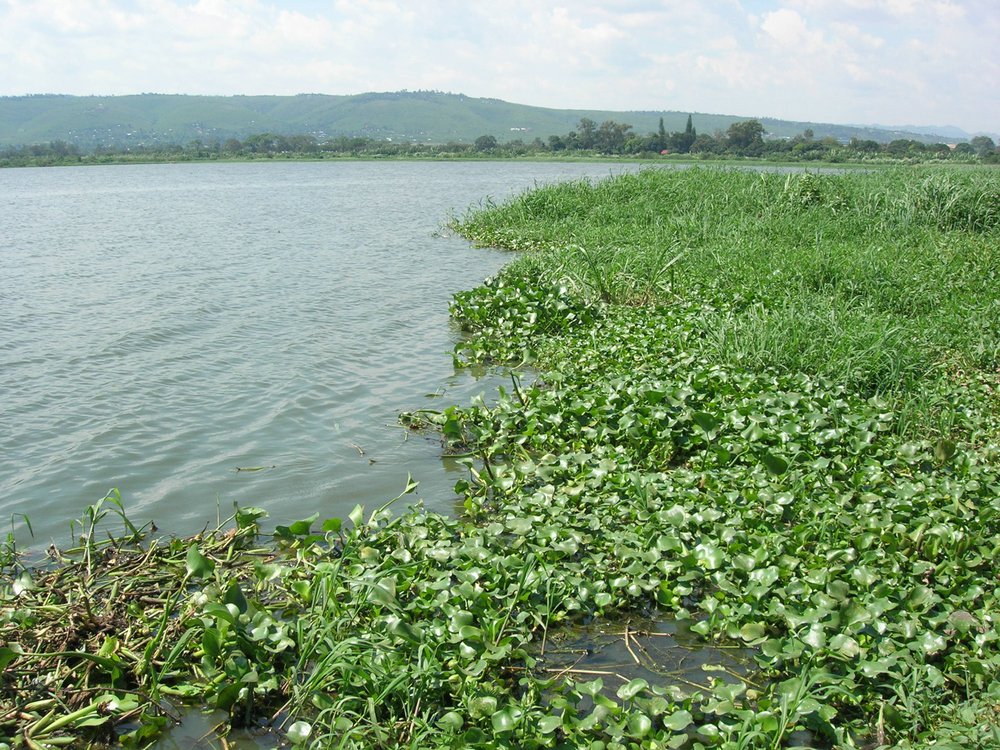
Water Hyacinth: Benefits, uses, impacts to environment
Share on FacebookShare on Twitter

By Nneka Nwogwugwu

Water hyacinth is an aquatic weed that originated from Amazon Basin, South America.

It has spread mainly to the tropics and subtropics since the 1800s. Water hyacinth has been considered as an invasive aquatic plant in the United States since 1984, in Africa since early 1900s, in Asia since 1902, and in Europe since 1930s.

It is found in several parts of Africa including Nigeria, Ethiopia, Kenya, South Africa, Zambia, and Zimbabwe.

One major reason for the introduction of water Hyacinth in Nigeria is for pollution mitigation by absorbing various types of pollutants including heavy metals present in water.

This plant has been used for pre-treatment in a drinking water treatment plant. Hyacinth can absorb minerals and inorganic substances from sewage. It can be grown rapidly in all types of conditions.

As a result, after it is used to clean sewage it is brought in for use as an organic fertilizer such as compost or mulching.

Hyacinth can absorb suspended particles, algae, dissolved impurities, nitrogen, phosphorus and other nutrients. It has been used in advanced water treatment in sewage and in the treatment of hospital wastewater.

Apart from its benefits to the environment, researchers have found out that these weeds also have medicinal benefits for the human body.

In a brief interview with NatureNews, a researcher in Plant and Science Department, University of Port Harcourt, revealed that water hycinth has anti-inflammatory, antifungal, and antibacterial functions, adding that, it can be used as a hair fragrance, to treat cholera, sore throat, and snake bites.

It can also be used for biofuel production, animal and fish feed production and biofertilizers production.

Despite these numerous benefits and uses, water hyacinths pose serious challenges to humanity and the environment.

It promotes clogging of waterways, obstruction of water transportation, and fishing activities; breeding grounds for pests and diseases; reduction of water quality and loss of biodiversity.

Water hyacinth disrupts water transportation. The weed forms thick mats that cover the surface of water bodies, preventing people’s access to schools, communication, health facilities, fishing grounds, and even local markets.

The highly reproductive nature of water hyacinth poses a great threat to biodiversity as the weed easily outcompetes other species. In Nigeria, Chukwuka and Uka (2007) reported that species of rotifers, cladocerans, and copepods were significantly reduced in abundance due to the infestation of Awba Reservoir by water hyacinth.

Researchers advise that mechanical, chemical, and biological means are measures to control the weeds but to achieve the best control, integrating two or more control methods is advised.

Related Posts

Abuja city with cattle  grazing unbated

From my readers (III)

September 6, 2026
Closing Africa’s climate finance gap starts with women, farmers and small businesses

Closing Africa’s climate finance gap starts with women, farmers and small businesses

September 6, 2026
Extension Services Reform Bill Should Move Faster, Nigeria’s Agric Minister Says From Kigali

Extension Services Reform Bill Should Move Faster, Nigeria’s Agric Minister Says From Kigali

September 6, 2026
How Seedless Fruit Is Quietly Reshaping Control Over African Farming

How Seedless Fruit Is Quietly Reshaping Control Over African Farming

September 6, 2026

Today’s Weather

Abuja, Nigeria
Tuesday, September 8, 2026
Light rain shower
25 ° c
88%
10.8mh
26 c 20 c
Wed
24 c 21 c
Thu
  • Trending
  • Comments
  • Latest
$1bn forest funding: FG unveils 10-year plan  to restore 2m hectares,  create 1.5m green jobs

$1bn forest funding: FG unveils 10-year plan to restore 2m hectares, create 1.5m green jobs

September 4, 2026
Daily Times@100, My 40 Years On The Beat

Daily Times@100, My 40 Years On The Beat

September 5, 2026
Human activities fueling environmental crisis across Nigeria —EDEN

Human activities fueling environmental crisis across Nigeria —EDEN

September 1, 2026
COP17 unlocks $1.3bn for Africa as expert urges Nigeria to compete with data

COP17 unlocks $1.3bn for Africa as expert urges Nigeria to compete with data

August 29, 2026
Ex-MD of Nigeria’s Daily Times Unveils Environment Newspaper, NatureNews

Ex-MD of Nigeria’s Daily Times Unveils Environment Newspaper, NatureNews

4
Sports Minister Dare to tee-off Liz-Ulumaranma inaugural golf tourney

Sports Minister Dare to tee-off Liz-Ulumaranma inaugural golf tourney

1
PwC Identifies Poor Infrastructure as Major Barrier to Agricultural Trade in Nigeria

PwC Identifies Poor Infrastructure as Major Barrier to Agricultural Trade in Nigeria

1

FAO Says 9.8 Million Residents across 16 States, FCT are Hungry

1
Abuja city with cattle  grazing unbated

From my readers (III)

September 6, 2026
Closing Africa’s climate finance gap starts with women, farmers and small businesses

Closing Africa’s climate finance gap starts with women, farmers and small businesses

September 6, 2026
Extension Services Reform Bill Should Move Faster, Nigeria’s Agric Minister Says From Kigali

Extension Services Reform Bill Should Move Faster, Nigeria’s Agric Minister Says From Kigali

September 6, 2026
How Seedless Fruit Is Quietly Reshaping Control Over African Farming

How Seedless Fruit Is Quietly Reshaping Control Over African Farming

September 6, 2026
Show Transparency Report
Naturenews.africa

© 2026 Nature News

  • Home
  • Contact Us
  • Privacy & Policy
  • Donation

No Result
View All Result
  • Home
  • Environment
    • Ecology
    • Climate
    • Desertification 
    • Flooding
    • Erosion
    • Oil spillage
    • Ozone layer
  • Sustainability
    • Energy
    • Green House
    • Wildlife
    • Maritime
    • Tourism
  • Agriculture
  • Advisory Board
    • Emir Muhammad Hamim Nuhu Sanusi CFR
    • Prof. Abdoulaye Bathily
    • Mr. Nnimmo Bassey
    • Prof. Mark Mwandosya
    • Ms. Hawe Hamman Bouba
    • Professor Salah Arafa
    • Mr. Desmond Majekodunmi
    • Ms. Ikal Angelei
    • Professor Jimmy Adegoke
  • UN Days
  • Fact Check
  • Donate
  • Africa
    • Central Africa
    • East Africa
    • North Africa
    • Southern Africa
    • West Africa
  • More
    • About Us
    • Advisory Board
    • Contact Us
    • Terms of Use
    • Donation

© 2026 Nature News

This website uses cookies. By continuing to use this website you are giving consent to cookies being used. Visit our Privacy and Cookie Policy.