

By Abbas Nazil
Residents and climate advocates across Northern Nigeria have raised concerns over the worsening heatwave sweeping through the region, warning that rising temperatures are disrupting livelihoods, threatening public health and deepening the impact of desertification.
Respondents who spoke to NatureNews from across Northern states described the intense heat as one of the most severe weather conditions currently affecting daily life in the region.
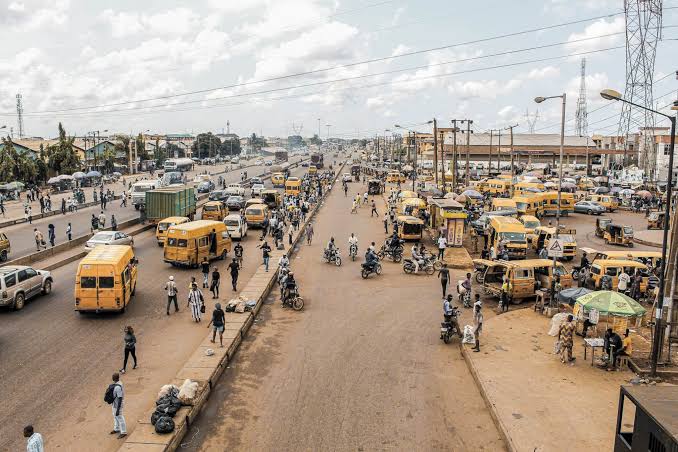
The interviewees noted that farmers, traders, transport workers, artisans and other outdoor labourers are finding it increasingly difficult to work in the daytime because of the harsh temperatures.
NatureNews gathered that many people now limit their activities to early mornings and evenings to avoid exposure to excessive heat, resulting in reduced productivity and declining income.
In Maiduguri, Borno State capital, Hadiza Aliyu, a postgraduate student, explained that the extreme heat has forced changes in her daily routines, school schedules and transportation activities.
She said the heatwave has also increased pressure on water and electricity supply, as many households struggle to access clean water while frequent power outages make cooling difficult.
According to her, the harsh weather is equally affecting livestock and agricultural production, thereby worsening food insecurity concerns in parts of Northern Nigeria.
Aliyu further warned that hospitals are witnessing growing cases of dehydration, heat exhaustion, dizziness and sleep-related problems linked to the persistent rise in temperature.
In Taraba State, the Executive Director of Initiative for Climate Change and Renewable Energy Advocacy, Folorunsho Dayo Oluwafemi, described the situation as a major environmental and public health concern requiring urgent government intervention.
He noted that many communities are facing worsening water scarcity as rivers, ponds and other local water sources dry up faster under extreme heat conditions.
According to him, vulnerable groups including pregnant women, children and elderly persons are among those most affected by the weather conditions.
Oluwafemi called for stronger climate adaptation measures, including massive tree planting campaigns, environmental restoration projects and increased investment in renewable energy and sustainable water supply systems across the North.
From Kano State, Uba Abdullahi said the excessive heat has created serious health challenges for residents, especially elderly people and those suffering from hypertension, diabetes and other medical conditions.
He stressed the need for continuous public sensitisation on environmental protection and called on authorities to punish indiscriminate tree felling, which he said contributes to rising desertification and temperature increases in the region.
Similarly, Bola Bodunde, Executive Director of Operations at Satus Hotel in Yola, Adamawa State, said the heatwave has negatively affected business operations due to the high cost of powering generators amid unstable electricity supply.
He however observed an increase in the number of residents seeking cooler environments in hotels and relaxation centres because of the unbearable temperatures.
The respondents unanimously urged federal and state governments to strengthen efforts toward tackling climate change, improving electricity supply, expanding healthcare response systems and promoting afforestation programmes to reduce the growing environmental threats facing Northern Nigeria.
