

By Abbas Nazil
Four companies operating in Yorkshire have been fined a total of £470,000 after being found guilty of breaching environmental permits in a series of pollution and non-compliance incidents, with enforcement actions taken to address contamination of waterways and regulatory failures.
The affected firms include Cleveland Potash, Balfour Beatty Group Ltd, Energy Works (Hull) Ltd, and GWE Biogas Ltd, all of which were investigated by the Environment Agency over separate environmental breaches linked to industrial operations, construction activities, and energy production facilities.
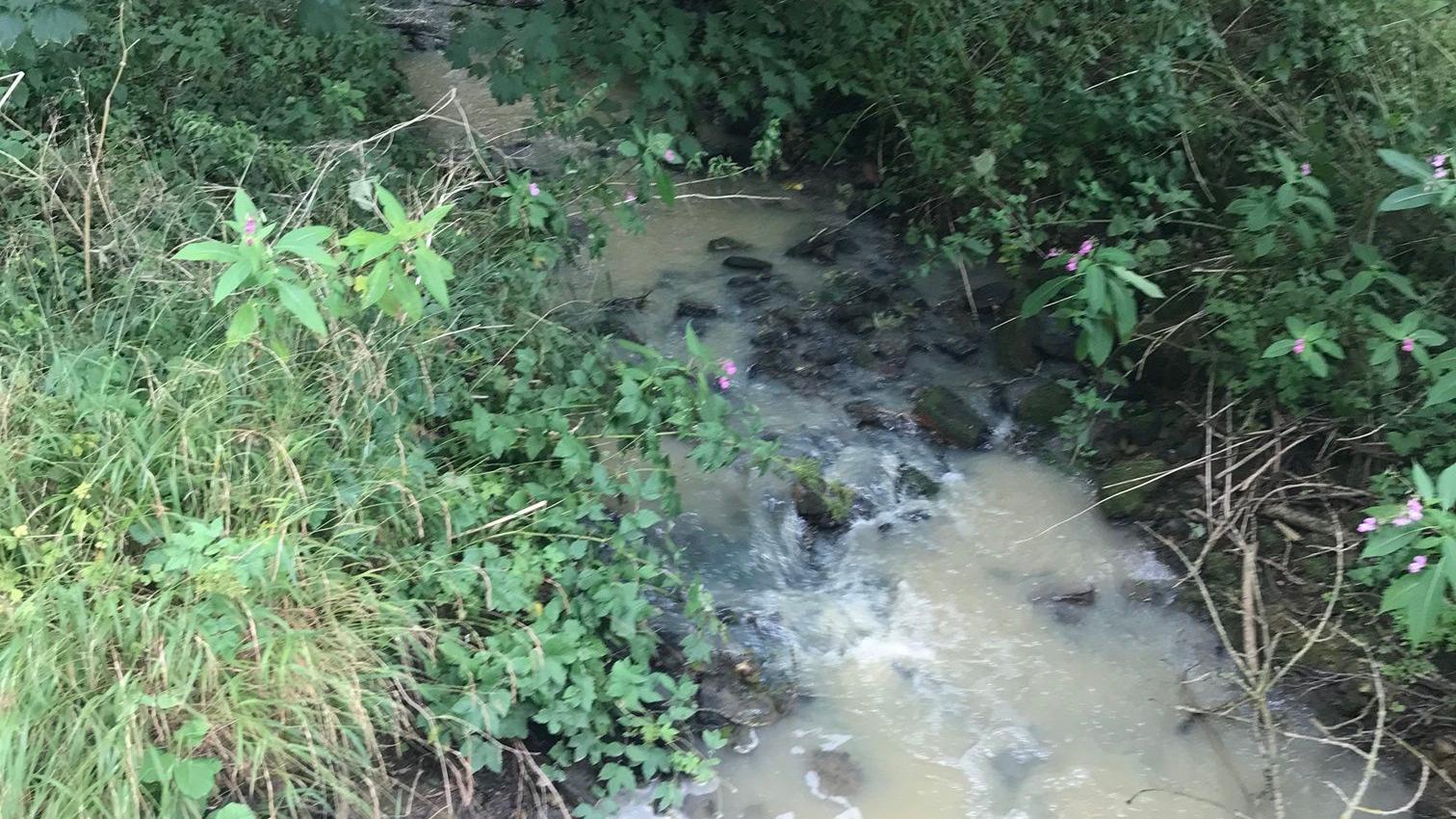
Cleveland Potash, based at Boulby Mine near Whitby, was ordered to pay £215,000 after mine brine was discharged into Easington Beck and Staithes Beck, an incident that led to the death of around 700 fish in June 2022, prompting significant environmental concern in the North York Moors area.
Balfour Beatty Group Ltd was instructed to pay £200,000 following repeated discharges of silt-contaminated water from its East Leeds Orbital Road construction site in 2020, which affected nearby waterways and raised concerns about sediment pollution and construction site management practices.
Energy Works (Hull) Ltd was directed to contribute £30,000 to multiple environmental and community charities after failing to comply with fire protection requirements at its Cleveland Street facility in Hull in September 2020, an issue identified during regulatory inspections.
GWE Biogas Ltd was also ordered to pay £22,000 to the Yorkshire Wildlife Trust after it was found to have operated an anaerobic digester tank without proper authorisation at its Sandhill Biogas Plant near Driffield in August 2023, breaching environmental operational standards.
The Environment Agency stated that all four companies were also required to cover investigation costs and undertake legally binding measures to prevent future incidents, reinforcing compliance obligations across industrial sectors.
Officials explained that enforcement undertakings ensure financial penalties are directed toward local environmental restoration efforts and conservation projects rather than being retained as general fines.
An Environment Agency representative noted that the cases demonstrate that pollution caused by industry, construction, or energy production will be met with accountability measures regardless of sector, emphasising the importance of regulatory compliance.
Authorities added that the incidents highlight ongoing risks to water quality and ecosystem health when environmental permits are not properly followed, particularly in areas with sensitive aquatic habitats and biodiversity value.
Environmental groups receiving funds from the penalties are expected to use the resources for restoration, conservation, and monitoring activities aimed at improving river health and protecting wildlife in affected regions.
The enforcement actions form part of broader regulatory efforts to strengthen environmental protection standards across the UK and ensure that industrial activities do not compromise natural ecosystems or public environmental safety.
