
Construction industry adopts low-carbon materials, digital tools for sustainability, study finds

By Abbas Nazil
The construction industry across the globe is increasingly adopting low-carbon materials and advanced digital tools as part of efforts to reduce greenhouse gas emissions and promote environmental sustainability.
A recent study highlights the sector’s growing implementation of innovative solutions aimed at addressing its significant contribution to global carbon emissions.
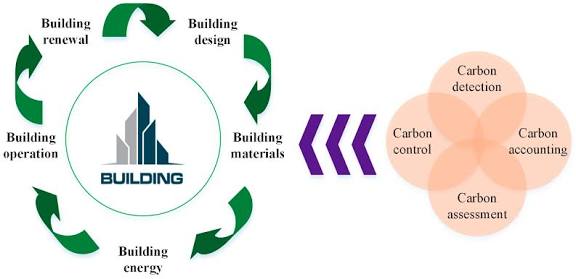
Key strategies identified in the report include the use of low-carbon concrete and alternative building materials, which help minimize emissions during both production and construction phases.
Energy-efficient building designs, such as passive heating and cooling systems, are also being implemented to lower operational energy consumption in buildings over their lifecycle.
Digital technologies, including Building Information Modeling (BIM), are playing a critical role in improving planning precision and resource management, leading to reduced waste and enhanced efficiency throughout project lifecycles.
Researchers emphasized that these advancements represent a meaningful shift toward decarbonization in one of the world’s most carbon-intensive industries, reflecting the sector’s commitment to balancing sustainability with infrastructure development demands.
The adoption of low-carbon materials not only addresses environmental concerns but also offers opportunities for cost reduction and long-term operational savings through energy efficiency and optimized construction processes.
Digital tools are further enabling construction companies to forecast project impacts more accurately, coordinate workflows effectively, and monitor environmental performance, supporting stronger compliance with sustainability standards.
Industry experts believe that integrating these technologies will accelerate the transition toward greener construction practices, promoting both environmental responsibility and economic competitiveness.
The study suggests that widespread adoption of these solutions can significantly mitigate the construction sector’s carbon footprint, contributing to global efforts to combat climate change while meeting the growing demand for infrastructure development.
As construction projects increasingly embrace sustainable materials and smart planning tools, the industry is positioned to lead in innovative climate action, demonstrating how traditional sectors can integrate modern technology and ecological responsibility for a more sustainable future.
The findings underscore the importance of continued investment in low-carbon technologies and digital solutions as the construction industry evolves toward environmentally conscious practices and long-term resilience.
