

By Abbas Nazil
Deadly floods that recently affected several West African countries have raised urgent concerns over poor urban planning, rapid expansion of informal settlements, and the growing challenge of protecting vulnerable communities living in disaster-prone areas.
Scientists have found that human-induced climate change increased the likelihood and severity of the extreme rainfall events that triggered widespread flooding across parts of West Africa.
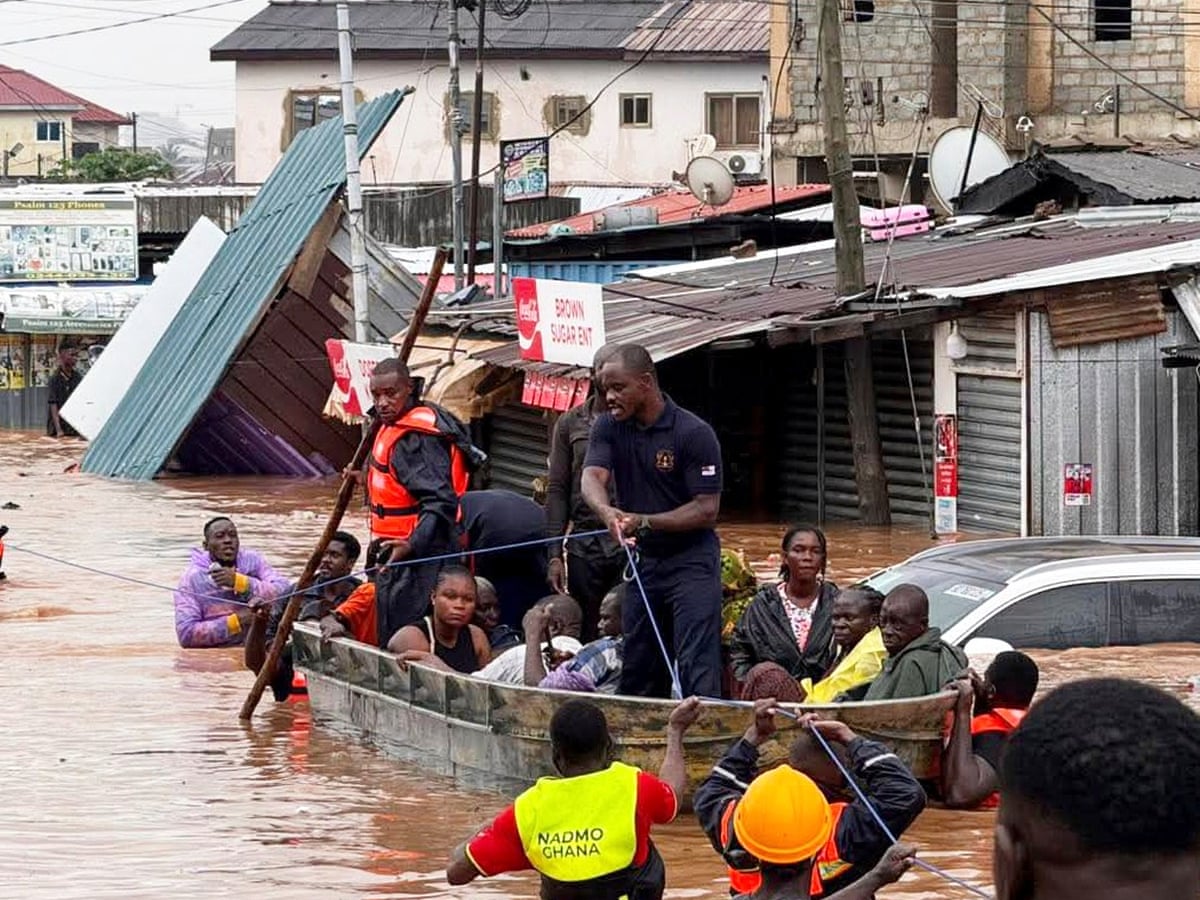
The floods affected densely populated coastal regions, including communities in Ghana, Togo, Côte d’Ivoire, and Nigeria, where weeks of heavy rainfall submerged homes, displaced thousands of residents, and resulted in more than 70 deaths.
A report by the World Weather Attribution (WWA) group revealed that climate change made the intense rainfall experienced in the region more severe, while rapid urbanisation and settlement expansion into flood-prone locations worsened the impact.
According to the scientists, urban growth has pushed both formal and informal settlements into floodplains, increasing the exposure of residents to extreme weather events.
The report also identified land conversion for agricultural activities and other developments as factors that have reduced natural drainage capacity, making cities more vulnerable to flooding.
Climate experts explained that rainfall levels once considered rare are becoming more frequent due to global warming.
They noted that climate models indicate that the amount of rainfall recorded within three days during the recent flooding events could now occur once every two to four years because of the influence of human-caused climate change.
The flooding has renewed debates about how governments should manage informal settlements and whether relocating residents from high-risk areas is the best solution.
Authorities across the region face the difficult task of balancing disaster prevention with the need to protect the rights and livelihoods of low-income communities that often have limited housing options.
Experts warned that forced evictions without alternative housing solutions could deepen poverty and displacement among vulnerable populations.
They called for improved urban planning, climate-resilient infrastructure, effective drainage systems, early warning mechanisms, and inclusive policies that involve affected communities in decision-making.
The recent floods highlight the growing connection between climate change, urban development challenges, and social inequality across West Africa.
Scientists and development experts stressed that addressing future flood risks will require governments to combine climate adaptation measures with better land-use planning and stronger protection for communities most exposed to environmental hazards.
