By Abdullahi Lukman
National Geographic photographer Joel Sartore has photographed his 18,000th animal as his Photo Ark project marks its 20th anniversary, highlighting two decades of documenting wildlife and raising awareness about threatened species.
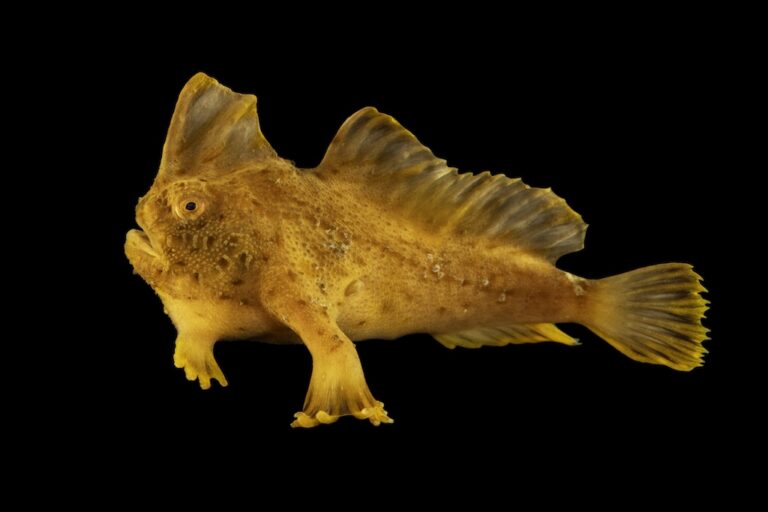
Sartore reached the milestone somewhere in Australia this year, although he is not certain which animal officially crossed the 18,000 mark. He credits the critically endangered red handfish (Thymichthys politus), a small species found in Tasmania, as the likely candidate.
The Photo Ark began 20 years ago after Sartore, then travelling internationally for National Geographic assignments, returned home when his wife was diagnosed with cancer. While staying near his family, he began photographing animals at local zoos. His wife recovered, but the project continued and eventually became a global effort to document animals in human care and, where possible, those found in the wild.
Sartore has since photographed species in zoos, aquariums, pet shops, caves, rivers and during scientific surveys. His approach is often opportunistic, with even animals encountered around his home becoming potential subjects. Shortly after the anniversary, he photographed an unidentified moth that landed on his Nebraska home.
The resulting portraits are known for their simple black or white backgrounds, allowing viewers to focus closely on each animal, regardless of its size or species.
Sartore says the Photo Ark aims to show what biodiversity looks like today and encourage people to care about species threatened with extinction. He has credited the project with helping draw public attention to conservation campaigns, including efforts to protect the critically endangered Florida grasshopper sparrow.
Conservation photographer and National Geographic Explorer Morgan Heim described Sartore’s work as an outstanding example of conservation photography, saying the scale and impact of the Photo Ark were remarkable.
Despite documenting animals that have disappeared from the wild or become extinct, Sartore remains optimistic, largely because of the conservationists and communities he encounters during his work.
The photographer, who has spent more than three decades behind the camera, continues to work almost every day on photography, travel, interviews, speaking engagements and writing. He has no immediate plans to retire and is preparing for the future by involving his 33-year-old son, Cole, whom he considers his successor.
Sartore hopes the Photo Ark will continue beyond his own career, preserving a visual record of the world’s biodiversity and reinforcing what he believes is a fundamental principle: every species, from large mammals to insects, deserves the opportunity to exist.
Quality journalism costs money. Today, we're asking that you support us to do more. Support our work by sending in your donations.
The donation can be made directly into NatureNews Account below