

By Abdullahi Lukman
Uruguay has highlighted its successful transition away from dental amalgam during a regional workshop aimed at helping Latin American countries reduce the use of mercury in dentistry.
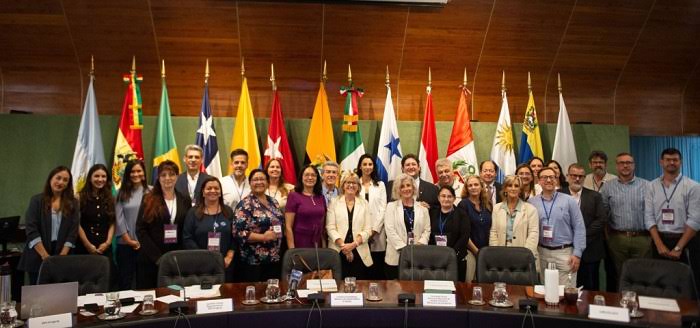
The workshop, held in Montevideo on March 4–5, 2026, was organised by the World Health Organization, the United Nations Environment Programme and the Global Environment Facility as part of a global project addressing dental amalgam use.
Cristina Lustemberg, Uruguay’s Minister of Public Health, said during the opening session that national health policies should prioritise prevention and patient care. She explained that reducing products containing mercury, such as dental amalgam, reflects this preventive approach.
Uruguay began phasing out dental amalgam in 2018 when the material was removed from oral health services covered by the country’s Comprehensive Health Care Plan.
Since 2020, the country has reported no imports of dental amalgam, marking a significant step toward eliminating mercury use in dental treatments.
Officials said Uruguay’s experience could serve as a model for other countries preparing national plans to reduce or eliminate the material.
During the meeting, Eisaku Toda of the Secretariat of the Minamata Convention on Mercury noted that the sixth Conference of the Parties, COP‑6 of the Minamata Convention, agreed to phase out dental amalgam globally by 2034 and requested the development of guidance for national phase-out strategies.
Toda said Uruguay’s policies provide a practical example of how countries can design and implement such plans.
The Montevideo workshop is part of a global pilot project supporting the reduction of mercury use in dentistry. Similar regional meetings are scheduled later this year in Bangkok, Thailand and Dakar, Senegal to conclude the initiative.
