

By Awyetu Asabe Hope
Ahead of Earth Month, Ocean Conservancy has launched a free online tool, WildlifeImpactCalculator.org, to help people worldwide understand how their cleanup efforts protect marine animals
.
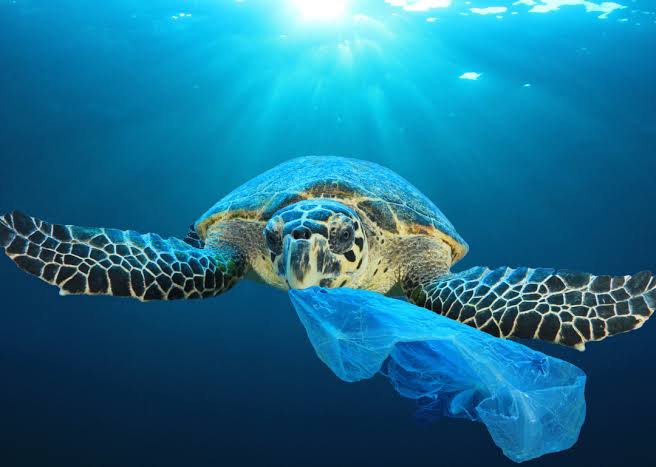
The Wildlife Impact Calculator allows users to input the number and types of plastic waste collected from beaches and waterways and estimates how many marine animals could have been at risk if the debris had been ingested.
“Every piece of plastic cleaned up from our beaches and waterways is one less threat to the life of a marine animal,” said Allison Schutes, Senior Director of Conservation Cleanups at Ocean Conservancy.
The tool incorporates data from over 20 common plastic items found in marine environments, including fishing gear, bottle caps, plastic fragments, straws, utensils, bags and food wrappers. Users can input up to 9,999 pieces per item category to assess their impact.
The calculator is powered by peer-reviewed research published in Proceedings of the National Academy of Sciences, which examined how macroplastics—plastic pieces larger than 5mm—affect seabirds, sea turtles and marine mammals.
According to Dr. Erin Murphy, Manager of Ocean Plastics Research at Ocean Conservancy and lead co-author of the study, the goal was to make complex scientific findings accessible to the public.
“We wanted to make the science as easy to understand as possible and give people the ability to measure the difference they can make,” she said.
However, the organisation noted that the calculator does not capture the full extent of plastic pollution’s impact on marine life.
Beyond ingestion, marine animals also face threats such as entanglement, exposure to toxic chemicals and the long-term effects of microplastics.
An estimated 11 million metric tons of plastic enter the ocean each year, posing a major threat to ocean health.
Scientists have recorded plastic ingestion in over 1,300 marine species, from plankton to whales.
In addition to cleanup initiatives, Ocean Conservancy continues to advocate for policies aimed at reducing plastic pollution at its source, including global and national measures such as the UN Plastics Treaty.
The organisation expressed hope that the new tool will inspire greater public participation in cleanup efforts and increased support for solutions to prevent plastic waste from reaching the ocean.
