

By Abbas Nazil
The government of Kaduna State has begun the final stage of reviewing and validating its youth policy as part of efforts to strengthen youth development and improve opportunities for young people across the state.
The review process, carried out in collaboration with the Lafiya Programme and other stakeholders, aims to produce an updated policy framework that reflects the evolving needs and aspirations of youths.
Officials said the revision became necessary after the expiration of the state’s previous youth policy last year, prompting the government to initiate a new process to update the document and align it with current realities.
The Commissioner for Youth Development, Gloria Ibrahim, said the initiative forms part of the broader commitment of the administration led by Uba Sani to enhance the quality of life and overall well-being of young people in the state.
She explained that the current administration considers youth development a major priority and is implementing programmes designed to empower young people socially, economically and educationally.
According to Ibrahim, the Ministry of Youth Development has been working to identify practical ways to improve the living conditions, opportunities and future prospects of youths in Kaduna State.
She said the policy review process is expected to result in a comprehensive and robust policy document that will guide government actions and programmes aimed at supporting youth growth and empowerment.
The commissioner noted that the government has already introduced several initiatives targeting youth empowerment, including programmes focused on education, skills development, mental health support and material assistance.
She emphasised that these interventions are designed to help young people become productive members of society while contributing positively to the economic and social development of the state.
Stakeholders involved in the policy validation process also highlighted the importance of inclusive participation in shaping youth-focused programmes.
The Executive Director of the Civic Impact for Sustainable Development Foundation, Yusuf Goje, said the policy review followed extensive consultations with various groups and organisations involved in youth development.
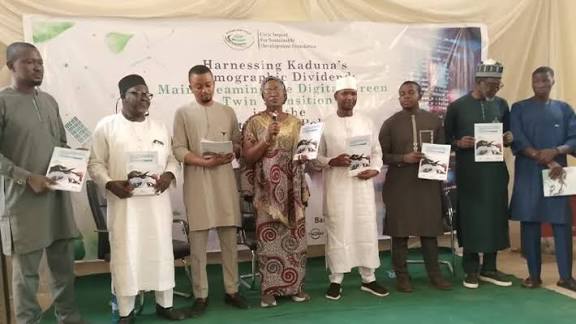
According to him, the validation meeting brought together representatives from government institutions, youth-led organisations, academic institutions, civil society groups, the media, religious youth organisations and youth wings of political parties.
Goje explained that such broad consultations were necessary to ensure that the revised youth policy accurately reflects the concerns and expectations of young people from different sectors of society.
He noted that the previous youth policy faced significant implementation challenges, particularly after the former Ministry of Youth and Sports was dissolved.
Following the restructuring, youth-related responsibilities were transferred to the Ministry of Human Services and Social Development, a move that reduced the institutional focus required to effectively implement youth programmes.
However, Goje said the establishment of a standalone Ministry of Youth Development by the current administration has restored the institutional capacity required to properly coordinate youth policies and programmes.
He expressed optimism that the new policy framework would help address the gaps experienced during the implementation of the previous policy.
Meanwhile, youth representatives also welcomed the ongoing review, describing it as an opportunity to create more inclusive policies for young people.
The President of the Association of Students with Disabilities, Aaron Samaila, said the revised policy should address the needs of youths with disabilities.
Samaila noted that one of the major challenges affecting inclusive youth development is the absence of reliable data on young people living with disabilities in the state.
He explained that the availability of accurate data would enable the government to design more targeted programmes and policies that respond to the needs of this group.
According to him, strengthening data collection and policy planning will help ensure that youths with disabilities are not excluded from development initiatives.
Participants at the validation meeting expressed hope that the revised youth policy would provide a stronger framework for empowering young people, expanding opportunities and supporting inclusive development across Kaduna State.
