
Monday, September 7, 2026
Naturenews.africa
Advertisement
  • Home
  • Environment
    • Ecology
    • Climate
    • Desertification 
    • Flooding
    • Erosion
    • Oil spillage
    • Ozone layer
  • Sustainability
    • Energy
    • Green House
    • Wildlife
    • Maritime
    • Tourism
  • Agriculture
  • Advisory Board
    • Emir Muhammad Hamim Nuhu Sanusi CFR
    • Prof. Abdoulaye Bathily
    • Mr. Nnimmo Bassey
    • Prof. Mark Mwandosya
    • Ms. Hawe Hamman Bouba
    • Professor Salah Arafa
    • Mr. Desmond Majekodunmi
    • Ms. Ikal Angelei
    • Professor Jimmy Adegoke
  • UN Days
  • Fact Check
  • Donate
  • Africa
    • Central Africa
    • East Africa
    • North Africa
    • Southern Africa
    • West Africa
  • More
    • About Us
    • Advisory Board
    • Contact Us
    • Terms of Use
    • Donation
Naturenews.africa
  • Home
  • Environment
    • Ecology
    • Climate
    • Desertification 
    • Flooding
    • Erosion
    • Oil spillage
    • Ozone layer
  • Sustainability
    • Energy
    • Green House
    • Wildlife
    • Maritime
    • Tourism
  • Agriculture
  • Advisory Board
    • Emir Muhammad Hamim Nuhu Sanusi CFR
    • Prof. Abdoulaye Bathily
    • Mr. Nnimmo Bassey
    • Prof. Mark Mwandosya
    • Ms. Hawe Hamman Bouba
    • Professor Salah Arafa
    • Mr. Desmond Majekodunmi
    • Ms. Ikal Angelei
    • Professor Jimmy Adegoke
  • UN Days
  • Fact Check
  • Donate
  • Africa
    • Central Africa
    • East Africa
    • North Africa
    • Southern Africa
    • West Africa
  • More
    • About Us
    • Advisory Board
    • Contact Us
    • Terms of Use
    • Donation
No Result
View All Result
Naturenews.africa
No Result
View All Result
Home Climate change 

Climate change: Global ‘elite’ will need to slash high-carbon lifestyles

by NatureNews
December 10, 2020
in Climate change , Green House
Reading Time: 4 mins read
0
Climate change: Global ‘elite’ will need to slash high-carbon lifestyles
Share on FacebookShare on Twitter

The world’s wealthiest 1% account for more than twice the combined carbon emissions of the poorest 50%, according to the UN.

Their emissions gap report finds that the richest will need to rapidly cut their CO2 footprints to avoid dangerous warming this century.

The study finds that the global Covid-19 shutdown will have little long term impact on the climate.

But a strong, green recovery could limit the rise in temperatures to 2C.

The study, compiled by the UN Environment Programme (Unep), underlines the chasm between the level of emissions consistent with keeping temperatures down and what’s happening in the real world.

It predicts that while carbon production will have tumbled by around 7% this year because of the pandemic, this would only reduce warming by 0.01C by 2050.

While the report looks at the plans that governments have submitted to curb their CO2, it also examines the roles of lifestyles and consumption patterns of individuals.

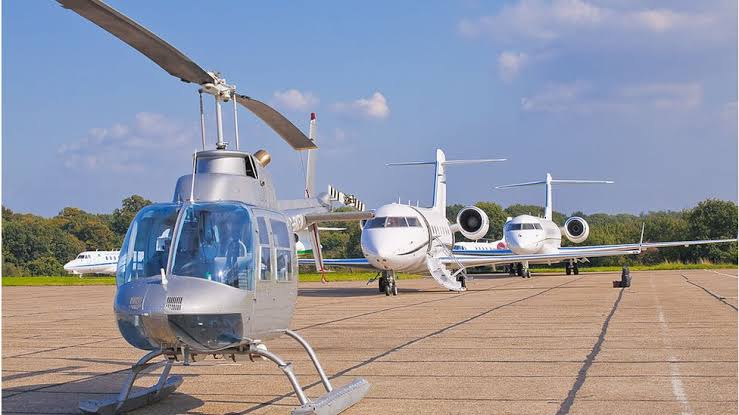
The global top 10% of income earners use around 45% of all the energy consumed for land transport and around 75% of all the energy for aviation, compared with just 10% and 5% respectively for the poorest 50% of households, the report says.

If the world wants to keep on track to restrict the rise in temperatures this century to 1.5C, then these high carbon footprints will need to be significantly curbed to around 2.5 tonnes of CO2 per capita by 2030.

For the poorest 50% of the world, that would actually mean an increase in their footprint by a factor of three.

Read also: African countries are curbing imports of used cars from Japan to cut emissions

And for the top 10% of earners, this would mean cuts to around one tenth of their current level.

But for the richest 1%, it would mean a dramatic reduction.

“The wealthy bear the greatest responsibility in this area,” Unep executive director Inger Anderson wrote in a foreword to the report.

“The combined emissions of the richest 1% of the global population account for more than twice the combined emissions of the poorest 50%.”

“This elite will need to reduce their footprint by a factor of 30 to stay in line with the Paris Agreement targets,” she wrote.

The report shows the types of lifestyle changes that would make a difference.

Foregoing one long-haul international return flight could reduce your personal footprint by almost two tonnes of CO2.

Switching to renewable electricity by households could curb carbon by around 1.5 tonnes per capita, while embracing a vegetarian diet would save around half a tonne of carbon on average.

“The UNEP report shows that the over-consumption of a wealthy minority is fuelling the climate crisis, yet it is poor communities and young people who are paying the price,” said Tim Gore, head of climate policy at Oxfam, and a contributing author to the report.

“It will be practically and politically impossible to close the emissions gap if governments don’t cut the carbon footprint of the wealthy and end the inequalities which leave millions of people without access to power or unable to heat their homes.”

As well as the lifestyle and consumption changes that individuals can make, the report also details the opportunities that exist for governments in pursuing a green recovery from Covid-19.

If countries invest in climate action, this could reduce expected emissions in 2030 by around 25%, enough to give the world a 66% chance of holding temperatures below 2C.

“The year 2020 is on course to be one of the warmest on record, while wildfires, storms and droughts continue to wreak havoc,” said Inger Andersen.

“However, Unep’s Emissions Gap report shows that a green pandemic recovery can take a huge slice out of greenhouse gas emissions and help slow climate change. I urge governments to back a green recovery in the next stage of Covid-19 fiscal interventions and raise significantly their climate ambitions in 2021.”

The Unep report says that so far, action by governments on a green recovery has been limited – but a growing number of countries are committing to net-zero emissions targets by the middle of the century, BBC gathered.

But to keep to the 2C goal, the level of ambition in the Paris agreement needs to be tripled. To keep under 1.5C, that ambition needs to increase five-fold.

“The life raft that we have is a green recovery,” said Dr Kat Kramer from Christian Aid.

“Combining post-Covid economic investment to accelerate the change to a zero-carbon world gives us real hope that we can limit global heating to the all-important 1.5C temperature increase.

“Warming above that will lead to increasingly severe impacts on the planet and its people and could kick start feedbacks in the climate system that could lead to runaway climate change.”

Tags: Carbon emissionGlobal elite

Related Posts

Closing Africa’s climate finance gap starts with women, farmers and small businesses

Closing Africa’s climate finance gap starts with women, farmers and small businesses

September 6, 2026
Africa’s climate resilience hinges on reaching those left out of finance

Africa’s climate resilience hinges on reaching those left out of finance

September 6, 2026
UNEP warns world near dangerous climate change threshold

UNEP warns world near dangerous climate change threshold

September 3, 2026
Climate stakeholders demand accountability for Nigeria’s energy transition funds

Climate stakeholders demand accountability for Nigeria’s energy transition funds

September 3, 2026

Today’s Weather

Abuja, Nigeria
Monday, September 7, 2026
Light rain shower
24 ° c
89%
6.8mh
27 c 21 c
Tue
24 c 19 c
Wed
  • Trending
  • Comments
  • Latest
$1bn forest funding: FG unveils 10-year plan  to restore 2m hectares,  create 1.5m green jobs

$1bn forest funding: FG unveils 10-year plan to restore 2m hectares, create 1.5m green jobs

September 4, 2026
Daily Times@100, My 40 Years On The Beat

Daily Times@100, My 40 Years On The Beat

September 5, 2026
Human activities fueling environmental crisis across Nigeria —EDEN

Human activities fueling environmental crisis across Nigeria —EDEN

September 1, 2026
COP17 unlocks $1.3bn for Africa as expert urges Nigeria to compete with data

COP17 unlocks $1.3bn for Africa as expert urges Nigeria to compete with data

August 29, 2026
Ex-MD of Nigeria’s Daily Times Unveils Environment Newspaper, NatureNews

Ex-MD of Nigeria’s Daily Times Unveils Environment Newspaper, NatureNews

4
Sports Minister Dare to tee-off Liz-Ulumaranma inaugural golf tourney

Sports Minister Dare to tee-off Liz-Ulumaranma inaugural golf tourney

1
PwC Identifies Poor Infrastructure as Major Barrier to Agricultural Trade in Nigeria

PwC Identifies Poor Infrastructure as Major Barrier to Agricultural Trade in Nigeria

1

FAO Says 9.8 Million Residents across 16 States, FCT are Hungry

1
Abuja city with cattle  grazing unbated

From my readers (III)

September 6, 2026
Closing Africa’s climate finance gap starts with women, farmers and small businesses

Closing Africa’s climate finance gap starts with women, farmers and small businesses

September 6, 2026
Extension Services Reform Bill Should Move Faster, Nigeria’s Agric Minister Says From Kigali

Extension Services Reform Bill Should Move Faster, Nigeria’s Agric Minister Says From Kigali

September 6, 2026
How Seedless Fruit Is Quietly Reshaping Control Over African Farming

How Seedless Fruit Is Quietly Reshaping Control Over African Farming

September 6, 2026
Show Transparency Report
Naturenews.africa

© 2026 Nature News

  • Home
  • Contact Us
  • Privacy & Policy
  • Donation

No Result
View All Result
  • Home
  • Environment
    • Ecology
    • Climate
    • Desertification 
    • Flooding
    • Erosion
    • Oil spillage
    • Ozone layer
  • Sustainability
    • Energy
    • Green House
    • Wildlife
    • Maritime
    • Tourism
  • Agriculture
  • Advisory Board
    • Emir Muhammad Hamim Nuhu Sanusi CFR
    • Prof. Abdoulaye Bathily
    • Mr. Nnimmo Bassey
    • Prof. Mark Mwandosya
    • Ms. Hawe Hamman Bouba
    • Professor Salah Arafa
    • Mr. Desmond Majekodunmi
    • Ms. Ikal Angelei
    • Professor Jimmy Adegoke
  • UN Days
  • Fact Check
  • Donate
  • Africa
    • Central Africa
    • East Africa
    • North Africa
    • Southern Africa
    • West Africa
  • More
    • About Us
    • Advisory Board
    • Contact Us
    • Terms of Use
    • Donation

© 2026 Nature News

This website uses cookies. By continuing to use this website you are giving consent to cookies being used. Visit our Privacy and Cookie Policy.