

By Abbas Nazil
Climate change is reshaping predator-prey relationships in a dry region of northern Chile, with researchers finding that prolonged droughts and rising temperatures are causing owls to change the animals they hunt.
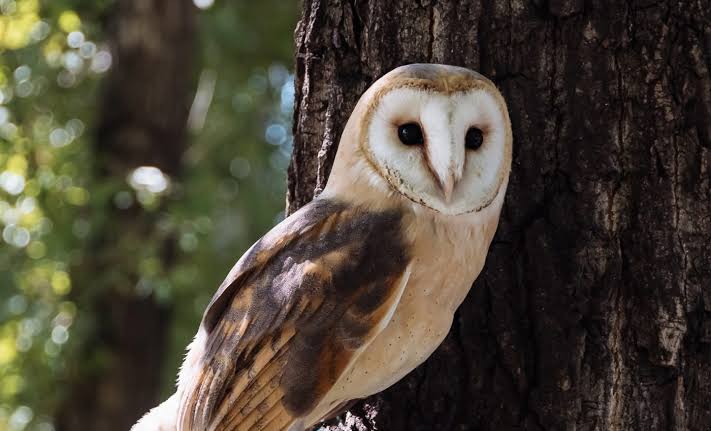
A 24-year study of owl diets in Bosque Fray Jorge National Park has revealed that changing climate conditions are gradually altering the feeding patterns of two major nighttime predators, the barn owl and the great horned owl.
The research showed that dry periods forced the two owl species to reduce competition by targeting different prey, while warmer temperatures gradually expanded the variety of animals appearing in their diets.
Scientists said the findings provide rare long-term evidence of how climate change can transform entire food webs rather than affecting only individual species.
The study, led by Angéline Bertin, a biologist and professor at the University of La Serena in Chile, analysed owl diet records collected between 1990 and 2015.
Researchers examined thousands of owl pellets, which contain the undigested bones and fur of prey consumed by the birds.
By identifying skulls and jawbones preserved inside the pellets, scientists were able to reconstruct the owls’ diets year after year and track changes in the ecosystem’s predator-prey relationships.
Bosque Fray Jorge National Park is located along the coast of north-central Chile, where a unique forest ecosystem exists within a semi-arid landscape.
The area experiences rainfall patterns influenced by the El Niño climate cycle, with wet years triggering increases in rodent populations that provide a major food source for local owls.
The leaf-eared mouse, a native rodent species, is particularly important because its population rises sharply following periods of increased rainfall.
However, during drought years when prey became scarce, researchers observed that the owls began dividing available resources by hunting different animals.
The study found that dietary overlap between the two owl species decreased during the driest periods, meaning the birds relied less on the same prey and reduced direct competition.
Scientists explained that while food scarcity is often expected to increase competition among predators, it can also encourage species to specialise in different parts of the available food supply, allowing them to coexist.
The research also identified a longer-term shift linked to rising temperatures.
From around 2003, owls began consuming prey species that had rarely appeared in their diets before, leading to an increase in the overall diversity of animals within the food web.
Researchers found that temperature was a stronger factor than rainfall in driving the increase in prey variety, suggesting that warmer conditions may allow additional small animals to survive or expand into areas accessible to hunting owls.
According to the researchers, the findings demonstrate that climate change can quietly reorganise ecological networks even when animal populations appear stable.
The changing relationships between predators and prey may serve as an early warning sign of ecosystem disruption caused by global warming.
The study’s authors warned that ecosystems could become increasingly vulnerable as climate change intensifies, particularly if environmental models continue to treat food webs as fixed systems rather than constantly changing networks.
They emphasized that long-term monitoring of species interactions, such as owl diets, can provide valuable information for conservation planning and help scientists understand how wildlife communities respond to drought, warming temperatures and other climate pressures.
The research, published in the journal *Ecography*, highlights the need for greater attention to hidden changes occurring within ecosystems as the global climate continues to shift.
