

By Abbas Nazil
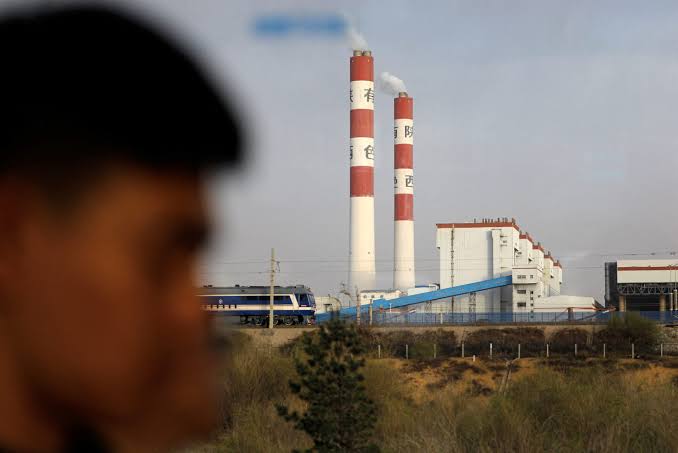
China’s renewed investment in coal-to-gas and coal-to-chemicals projects is raising concerns among climate experts, who warn that the country risks undermining its climate commitments and clean energy leadership ambitions.
The concern follows the recent groundbreaking of three major coal-based projects valued at approximately $10 billion in two coal-rich regions of the country.
The projects come amid heightened global energy market uncertainty triggered by rising oil and gas prices linked to the conflict involving Iran.
Analysts say the developments reflect Beijing’s growing focus on energy security and reducing dependence on imported fossil fuels.
According to experts from Global Energy Monitor, China’s strategy of converting coal into gas and chemical products has been gaining momentum since the outbreak of the Russia-Ukraine war in 2022.
The conflict prompted governments worldwide, including China, to reassess their energy security priorities and seek alternatives to imported energy supplies.
However, environmental observers argue that reviving the coal-chemicals sector could reverse gains made in reducing coal dependence and lower-carbon development.
They warn that increased investment in coal conversion projects could stimulate fresh demand for coal, resulting in higher greenhouse gas emissions and complicating efforts to meet national and international climate targets.
Critics also caution that the expansion could create long-term economic risks.
Large-scale coal infrastructure projects typically require decades of operation to recover investment costs, raising the possibility of stranded assets if global markets continue shifting toward cleaner energy sources.
The experts further note that China has spent years positioning itself as a global leader in renewable energy technologies, including solar and wind power manufacturing.
A renewed emphasis on coal-based industries could weaken that reputation and send mixed signals about the country’s commitment to a low-carbon future.
While Chinese authorities view the projects as part of a broader strategy to strengthen energy resilience and protect economic stability, climate advocates argue that energy security and climate goals should be pursued simultaneously rather than through expanded coal use.
They stress that long-term energy security is more likely to be achieved through accelerated deployment of renewable energy, improved energy efficiency and reduced reliance on carbon-intensive industries.
The debate highlights the growing tension between immediate energy security concerns and the urgent need for deep emissions reductions as countries seek pathways to balance economic development, national security and climate responsibilities.
