

By Abbas Nazil
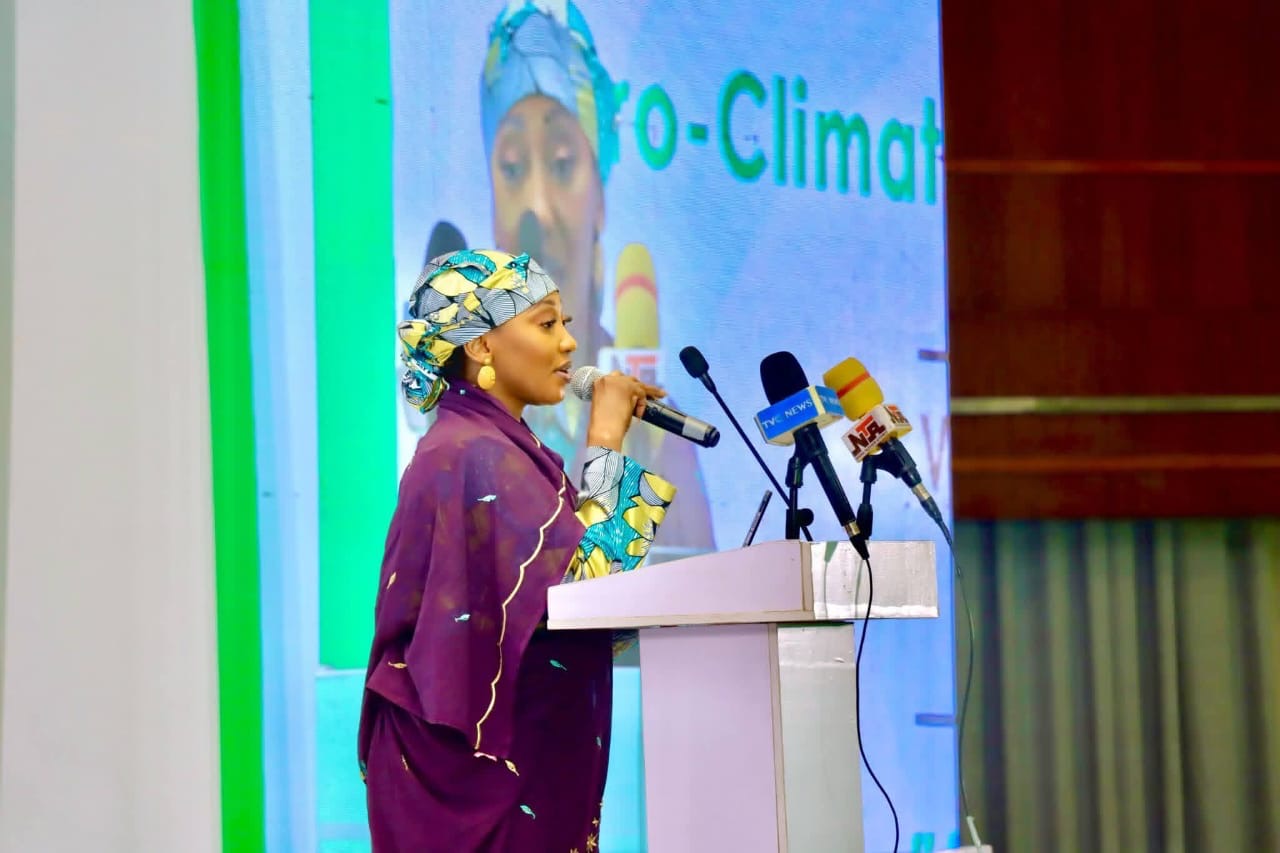
Nigeria’s flagship climate resilience programme, the Agro-Climatic Resilience in Semi-Arid Landscapes (ACReSAL), has exceeded key performance benchmarks ahead of schedule, officials announced at the opening of its mid-term review in Lagos on April 20, 2026.
The three-day review, held at the Lagos Continental Hotel, has drawn over 500 delegates from 19 northern states and the Federal Capital Territory, including government officials, World Bank representatives, academics, and technical experts.
National Project Coordinator Abdulhamid Umar revealed that the project has already reached about 9.3 million beneficiaries, nearly three times its initial target of 3.4 million.
He added that women account for nearly half of the beneficiaries, highlighting the project’s inclusive impact across vulnerable communities.
Environmental restoration efforts have also exceeded expectations, with over one million hectares of degraded land already under restoration within three years, meeting a target initially set for six years.
Umar noted that beyond statistics, the project has delivered tangible improvements in communities, including better water management systems in Katsina State that have reduced flood risks.
He also pointed to improved relations between farmers and herders in states like Benue and Gombe, attributing the progress to enhanced agricultural productivity and targeted interventions.
The project, he said, has contributed to job creation for youths and expanded income opportunities for women, strengthening local economies.
World Bank Task Team Leader Dr. Joy Agene explained that the review aims to assess the project’s development objectives, relevance, and risks while refining its implementation strategy.
She emphasized the importance of reviewing the theory of change and adjusting targets based on emerging evidence and the country’s evolving context.
Environmental specialists at the event highlighted the need to integrate advanced data and analytics into planning to improve decision-making and resource allocation. 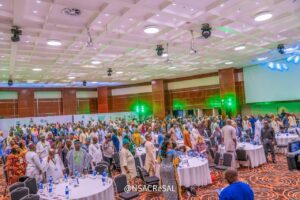
They also called for stronger community involvement, particularly in translating large-scale watershed plans into localized, community-driven initiatives.
Stakeholders noted that additional financing would help scale up ongoing activities and further enhance livelihoods across affected regions.
Discussions at the review indicate that ACReSAL is evolving into a model for climate resilience, with potential for institutionalization and replication in other semi-arid regions.
However, participants stressed the need to ensure sustainability, effective monitoring of new funding, and the ability to maintain impact as the project expands.
The review is expected to conclude on April 22 with a roadmap for the next phase of implementation.
