

By Abbas Nazil
The once-fertile Sahel region of West Africa, stretching from Senegal to Chad, is now facing a devastating transformation as climate change disrupts rainfall patterns and turns farmland into arid wasteland.
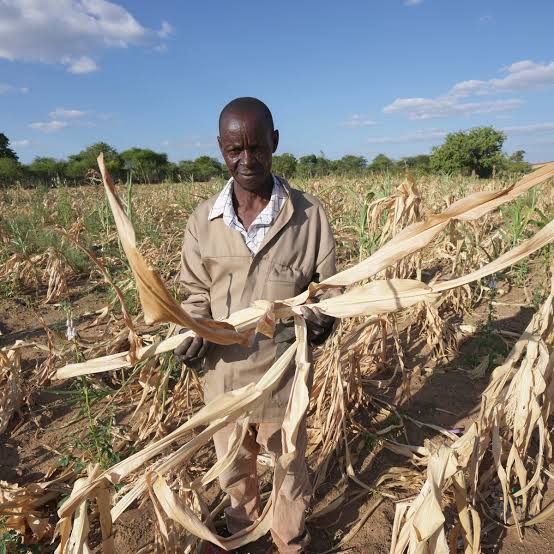
Farmers across Niger, Mali, and northern Nigeria are struggling to adapt as unpredictable rains, intense heat, and prolonged droughts threaten crops and livestock.
The region, once known for its grasslands and steady harvests, now faces a humanitarian crisis, with families losing both food security and income.
Crops like millet, sorghum, and maize that once thrived in the Sahel are failing, pushing farmers into poverty and forcing many to seek survival through petty trading or migration to urban areas.
However, even cities such as Maiduguri, Niamey, and Bamako are under strain, with overcrowding and rising unemployment caused by an influx of displaced rural populations.
Scientific reports reveal that the Sahel is warming 1.5 times faster than the global average, causing severe droughts, flash floods, and desert encroachment from the Sahara.
Environmental experts warn that millions could be displaced within decades if urgent action is not taken.
Despite these challenges, local innovations are providing hope.
Farmers in Burkina Faso are reviving traditional “zai pits” to trap rainwater, while those in Niger are turning to agroforestry — planting drought-resistant trees to restore degraded lands.
Initiatives like the Great Green Wall are also replanting millions of trees across borders to combat desertification and rejuvenate ecosystems.
Yet, experts say community efforts alone are not enough.
Many farmers lack access to irrigation, financial support, and timely climate information.
Women, who make up nearly half of the agricultural workforce, are particularly vulnerable due to limited land rights and credit access.
The crisis has become not only environmental but social and economic, as inequality deepens and migration reshapes the region’s demographics.
Without decisive action from governments and international partners, the cry of the Sahel’s farmers may soon echo across the entire continent.
