

By Faridat Salifu
As agriculture faces increasing challenges from climate variability and labor shortages to cyber threats and supply chain disruptions, researchers at the University of Nebraska Kearney (UNK) are redefining how food systems can remain resilient, sustainable, and secure.
Through the National Strategic Research Institute (NSRI) initiative, UNK is championing built agriculture, which integrates technology, infrastructure, and intelligent system design to improve efficiency and safety in crop and livestock production.
These systems combine automation, data analytics, and industrial control systems to help farms withstand environmental stresses, market fluctuations, and digital threats.
“Resilient food systems require more than traditional farming practices. We need automation, AI, digital systems, and innovative structures to maintain productivity and security,” said Chidi Agbo, UNK assistant professor of cyber systems.
Agbo leads research into cybersecure control systems for agricultural operations, ensuring that automated crop and livestock systems continue to operate safely under any conditions.
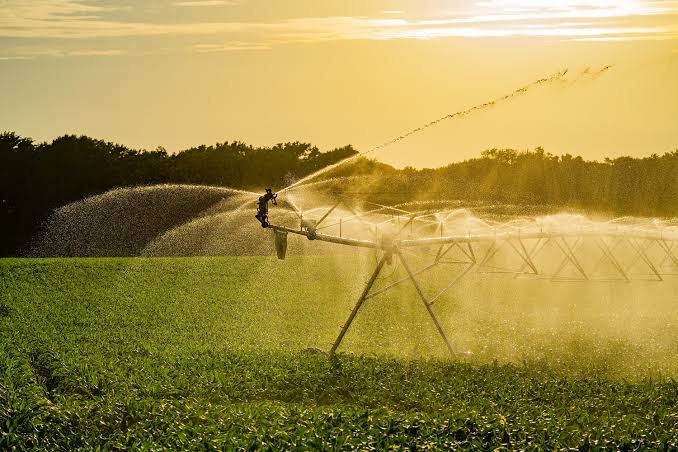
In crop production, advanced control systems monitor irrigation, temperature, and environmental factors while predicting and mitigating failures.
For livestock, AI tools track animal behavior, detect early signs of disease, and optimize welfare, while integrating fault-tolerant systems to maintain continuous operations.
Beyond technology, the initiative emphasizes workforce development. Students receive hands-on training in both physical and digital agricultural systems through labs and programs at UNK’s Food Innovation Center.
They learn to integrate engineering, data science, and operational technology in real-world farming conditions, preparing a new generation of agricultural innovators.
The program also explores space agriculture, with researchers designing modular, automated greenhouse systems capable of producing food in extreme environments, from urban centers to extraterrestrial habitats.
Insights from these projects feed back into terrestrial agriculture, enhancing efficiency, sustainability, and resilience on Earth.
“Technology and innovation are essential for global food security,” said Meghan Jackson, director of NSRI’s food, agriculture, and environment security focus area. “By combining automation, cybersecure systems, and smart design, we are creating agricultural systems that can adapt, recover, and thrive under any conditions.”
With UNK and NSRI leading these efforts, Nebraska is building smarter, safer, and more resilient food systems while preparing a workforce capable of meeting the complex challenges of modern agriculture.
