

By Abbas Nazil
The United Arab Emirates is accelerating its clean energy transition with plans to expand its renewable energy capacity to more than 23 gigawatts by 2031.
The announcement was made by the Minister of Energy and Infrastructure, Suhail bin Mohammed Al Mazrouei, who disclosed that the country’s installed renewable energy capacity has already exceeded 7.7 gigawatts.
The expansion reflects the UAE’s long-term commitment to sustainable development and its ambition to emerge as a global leader in the energy transition.
According to the minister, national investment in clean energy has now surpassed 51.7 billion dollars, underlining the scale of the country’s shift away from fossil fuel dependence.
Speaking during Abu Dhabi Sustainability Week, Al Mazrouei said the UAE recorded a 117 percent increase in renewable energy capacity between 2022 and 2025.
This rapid growth has positioned the country as the fastest-growing clean energy market in the Middle East.
He noted that the strong progress has prompted the government to update its national energy targets.
Under the revised framework, clean energy sources are expected to contribute 35 percent of the UAE’s total electricity generation by 2031.
The target represents a significant step toward building a diversified and resilient national energy mix.
Officials said the expansion strategy is not limited to increasing renewable generation capacity alone.
It is part of a broader national plan to strengthen energy security, reduce carbon emissions, and support economic diversification.
A central pillar of the UAE’s transition strategy is the National Hydrogen Strategy 2050.
The hydrogen roadmap has been fully integrated into the country’s long-term energy planning.
By prioritising hydrogen as a low-carbon fuel, the UAE aims to position itself as a reliable global supplier of clean energy.
The strategy is also designed to prepare the economy for a future with declining reliance on oil and gas revenues.
Government officials believe hydrogen will play a vital role in decarbonising heavy industries and supporting future export markets.
In parallel with renewable expansion, the UAE is intensifying efforts to improve energy and water efficiency nationwide.
The National Water and Energy Demand Management Program has been instrumental in supporting these efforts.
Over the past five years, the programme has helped cut more than 14.8 million tonnes of carbon emissions.
It has also delivered financial savings exceeding two billion dollars through reduced consumption and efficiency gains.
The government has set long-term targets aimed at reducing national energy consumption by 43 percent by 2050.
Water consumption is also expected to decline by 50 percent within the same timeframe.
These measures are considered essential to achieving the country’s net-zero emissions objectives.
Officials say the approach reflects a balance between environmental sustainability and economic growth.
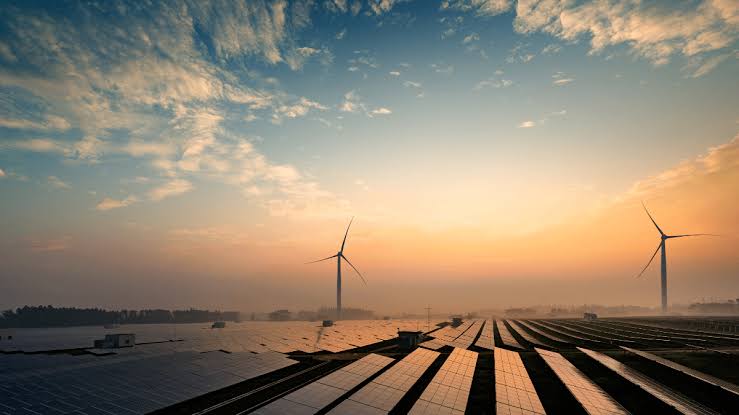
Large-scale renewable projects supported by strong regulatory frameworks are already reshaping the UAE’s energy landscape.
Solar and clean power developments across multiple emirates are expanding generation capacity at record speed.
Achieving 23 gigawatts of renewable capacity by 2031 is viewed as a defining milestone in the country’s energy transformation journey.
Analysts note that the UAE’s strategy goes beyond climate commitments.
The transition is also aimed at future-proofing the national economy against global energy market volatility.
By investing heavily in clean technologies, the country is strengthening its competitiveness in emerging energy industries.
The shift is expected to stimulate job creation, innovation, and private sector participation.
Energy experts say the UAE’s model demonstrates how hydrocarbon-producing nations can pivot toward low-carbon development.
The country continues to leverage advanced technology, large-scale infrastructure investment and integrated planning.
As progress continues toward the 2031 and 2050 milestones, the UAE is increasingly seen as a regional benchmark for clean energy transformation.
Its experience shows that economic growth and environmental responsibility can advance together.
With sustained investment and policy clarity, the UAE is steadily building a resilient and sustainable energy ecosystem.
The ongoing transition reinforces the nation’s position as one of the Middle East’s leading contributors to the global clean energy future.
