

By Abbas Nazil
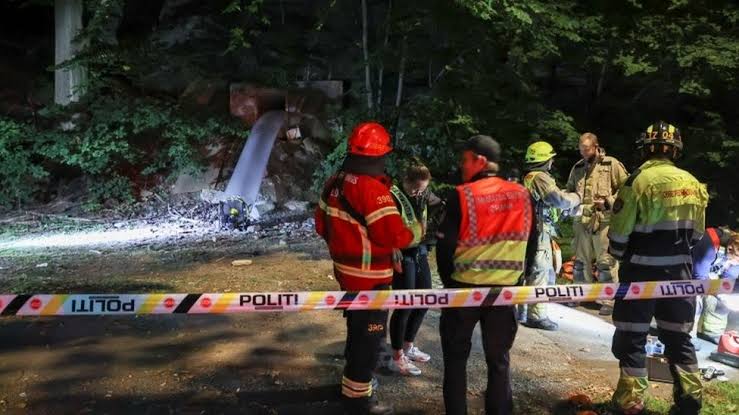
Twenty young people were hospitalized after suffering carbon monoxide (CO) poisoning during a youth party in Lørenskog, Norway, near Oslo.
The incident occurred when a diesel generator was used in a confined indoor space, allowing toxic carbon monoxide gas to accumulate to dangerous levels.
Carbon monoxide is a colorless, odorless gas that can impair oxygen delivery to the body, causing symptoms such as dizziness, headache, nausea, shortness of breath, and in severe cases, loss of consciousness or death.
The affected partygoers received immediate medical attention, and authorities report that all are in stable condition with mild symptoms, but the incident underscores the serious health risks of CO exposure.
Lørenskog’s mayor, Amina Mabel Andresen, confirmed that municipal authorities are investigating the circumstances to prevent similar occurrences in the future.
Medical experts stress that even brief exposure to carbon monoxide can lead to neurological damage, heart complications, or long-term health effects, making timely intervention critical.
This event highlights the dangers of using combustion-powered devices indoors without proper ventilation, a common source of accidental CO poisoning worldwide.
Authorities have urged residents and event organizers to ensure proper airflow, avoid indoor use of diesel generators, and install carbon monoxide detectors in enclosed spaces to mitigate risks.
Similar incidents globally demonstrate that CO exposure can be lethal; in Ukraine’s Kirovohrad region, three people, including two children, died from poisoning, with others hospitalized.
Experts emphasize public education on CO hazards, as the gas’s undetectable nature often delays recognition, increasing the likelihood of severe outcomes.
The Lørenskog incident serves as a stark reminder that carbon monoxide is a silent threat capable of causing widespread harm if safety measures are neglected.
Investigations are ongoing, and authorities are expected to release additional safety recommendations to protect communities from future CO-related accidents.
