

By Abbas Nazil
European research institutions have launched the PerPlacsBio project to assess how bio-based and biodegradable plastics can reduce plastic pollution in agriculture and forestry.
The initiative is being led by the University of Münster, the University of Applied Forest Sciences Rottenburg, and the nova-Institute, with funding from Germany’s Agency for Renewable Resources under the Sustainable Renewable Resources programme.
The project responds to growing concern about microplastics in soils and ecosystems, which are increasingly linked to long-term environmental degradation and potential risks to food production systems.
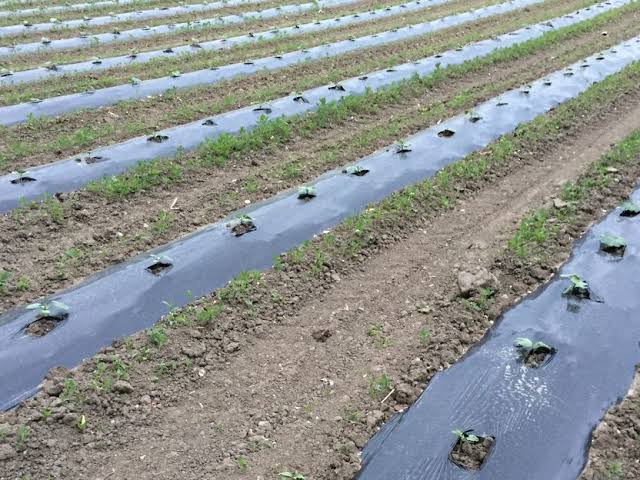
Although plastic products such as mulch films, plant clips, and coatings are widely used by farmers and foresters, many users lack clear guidance on how to limit plastic inputs or evaluate environmentally sound alternatives.
At the same time, biodegradable plastics are often promoted as solutions without sufficient information on where their use is technically effective or ecologically meaningful.
PerPlacsBio aims to close this knowledge gap by systematically analysing where biodegradable plastics can realistically reduce pollution and where their use may not provide clear environmental benefits.
The project will generate publicly accessible results intended to support evidence-based decisions by practitioners, policymakers, and businesses across Europe.
Researchers will examine both existing plastic applications and emerging alternatives to determine suitability, feasibility, and environmental performance in real agricultural and forestry settings.
A key component of the work involves understanding how microplastics behave in soils, including their role in transporting metals and other contaminants within ecosystems.
The nova-Institute will focus on expanding knowledge related to standards, certification schemes, policy frameworks, and decision-making criteria for bio-based and biodegradable plastics.
Meanwhile, the universities involved will conduct surveys among farmers and foresters to better understand practical needs, perceptions, and barriers that limit adoption of alternative materials.
Stakeholder engagement is central to the project, with industry representatives, scientists, and policymakers expected to contribute through workshops and consultations.
These exchanges are designed to ensure that scientific findings are grounded in real-world experience and aligned with market and regulatory realities.
PerPlacsBio builds directly on the earlier BioSinn project, which identified product types where biodegradation makes environmental sense because recycling or collection is impractical.
BioSinn previously highlighted 25 products for which biodegradable materials could offer advantages, providing a foundation for the more targeted sectoral analysis now underway.
Insights from that earlier research, including fact sheets and policy evaluations, will inform PerPlacsBio’s assessment of agricultural and forestry applications.
The project team is also calling for external expert input to strengthen its evidence base and practical relevance.
Experts are invited to share information on products such as mulch films, seed coatings, controlled-release fertilisers, tree shelters, binding yarns, and bird-ringing materials.
Additional contributions on new standards, certification developments, policy changes, market data, and emerging biodegradable alternatives are particularly encouraged.
By combining scientific analysis with user perspectives and policy insight, the project seeks to clarify when biodegradable plastics are a genuine solution rather than a symbolic one.
Ultimately, PerPlacsBio aims to support more sustainable material choices that reduce long-term plastic accumulation in soils while maintaining productivity in agriculture and forestry.
