

By Abbas Nazil
Professor Chinwe Obuaku-Igwe, Director-General and Special Envoy of the Governor of Osun State on Climate Change and Renewable Energy, has called for data-driven and coordinated approaches to tackle methane emissions as part of Nigeria’s broader climate strategy.
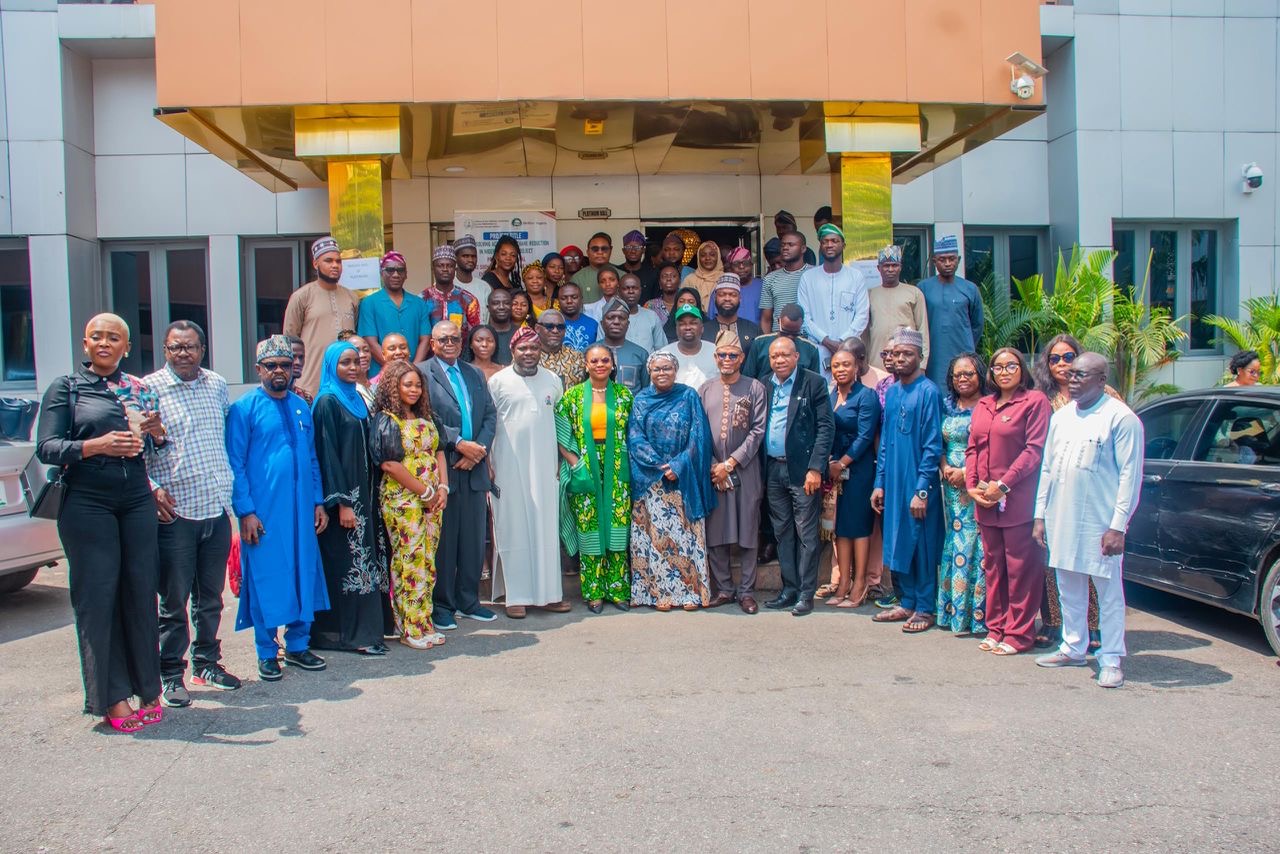
Speaking as Special Guest of Honour at the Stakeholder Engagement on Data Mapping of Climate Actors and Inception Workshop on Methane Emission Reduction in Nigeria, held at K-Class Hotel, Wuse Zone 5, Abuja, Professor Obuaku-Igwe stressed that reducing methane emissions and mapping climate actors are key steps toward effective climate governance and full implementation of the Climate Change Act 2021.
She noted that although methane is short-lived, it is more than 80 times more potent than carbon dioxide in the short term. According to her, addressing it offers one of the quickest ways to slow global warming while improving public health, food security, and livelihoods.
Professor Obuaku-Igwe emphasized the importance of integrating agriculture, energy, waste management, and urban development into a unified data system to enhance transparency and coordination among federal, state, and non-state actors.
Highlighting Osun State’s progress, she mentioned the development of the Osun State Climate Action Plan, the establishment of the Climate Change and Renewable Energy Council, and ongoing collaborations with the Federal Ministry of Environment, NESCOL’s Carbon Literacy Project, and development partners to promote renewable energy and circular economy models.
She also disclosed plans for a subnational greenhouse gas inventory and methane data integration, calling for stronger federal–state collaboration to establish a national climate intelligence network.
After the workshop, she met with Mr. Qadir, CEO of Al Qibad International Limited, to discuss partnership under the E-Heart Initiative aimed at advancing clean energy and digital innovation in Osun State.
She described the workshop as a strategic step toward building an evidence-based and resilient climate architecture for Nigeria.
