
Nigeria targets $3bn annual earning from carbon trade
FG places NCCC in national budget *Climate Change Fund now operational

By Abbas Nazil
President Bola Tinubu has approved the adoption of Nigeria’s National Carbon Market Framework, along with the operationalisation of the Climate Change Fund and the reinstatement of the National Council on Climate Change (NCCC) in the national budget.
The move, announced by Stanley Nkwocha, Senior Special Assistant to the President on Media and Communications, comes as Nigeria prepares for the 30th United Nations Climate Change Conference (COP30) scheduled for November 10–21, 2025, in Belem, Brazil.
According to the Presidency, the framework aims to establish and manage Nigeria’s participation in global carbon markets, with the potential to unlock between $2.5 billion and $3 billion annually over the next decade.
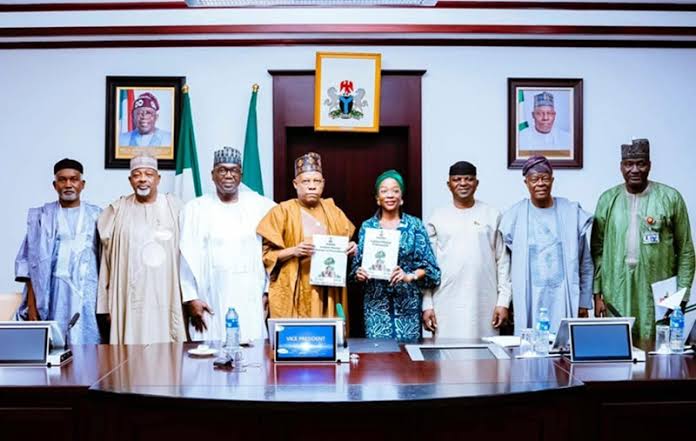
The decision followed a presentation by NCCC Director-General, Mrs. Omotenioye Majekodunmi, during the Council’s second meeting at the Presidential Villa, Abuja.
Representing the President, Vice President Kashim Shettima said the initiative aligns with the government’s efforts to position Nigeria as a leading player in climate finance and carbon trading.
Tinubu emphasized that climate action represents not only an environmental necessity but also an opportunity to attract investments, create jobs, and drive innovation across energy, agriculture, and industry.
He reaffirmed his administration’s commitment to policies that promote green growth, ensure resilience, and make Nigeria a destination for sustainable investment.
Majekodunmi noted that the Council’s approval would enable Nigeria to access new rounds of climate finance from international funds.
Finance Minister Wale Edun supported the Council’s recommendations, pledging coordination with the economic department to establish a quarterly Climate Finance Tracking Dashboard.
The newly approved framework will regulate carbon credit generation, validation, and trading at national and international levels, strengthening Nigeria’s climate governance structure and enhancing its position in the global carbon economy.
