

By Abbas Nazil
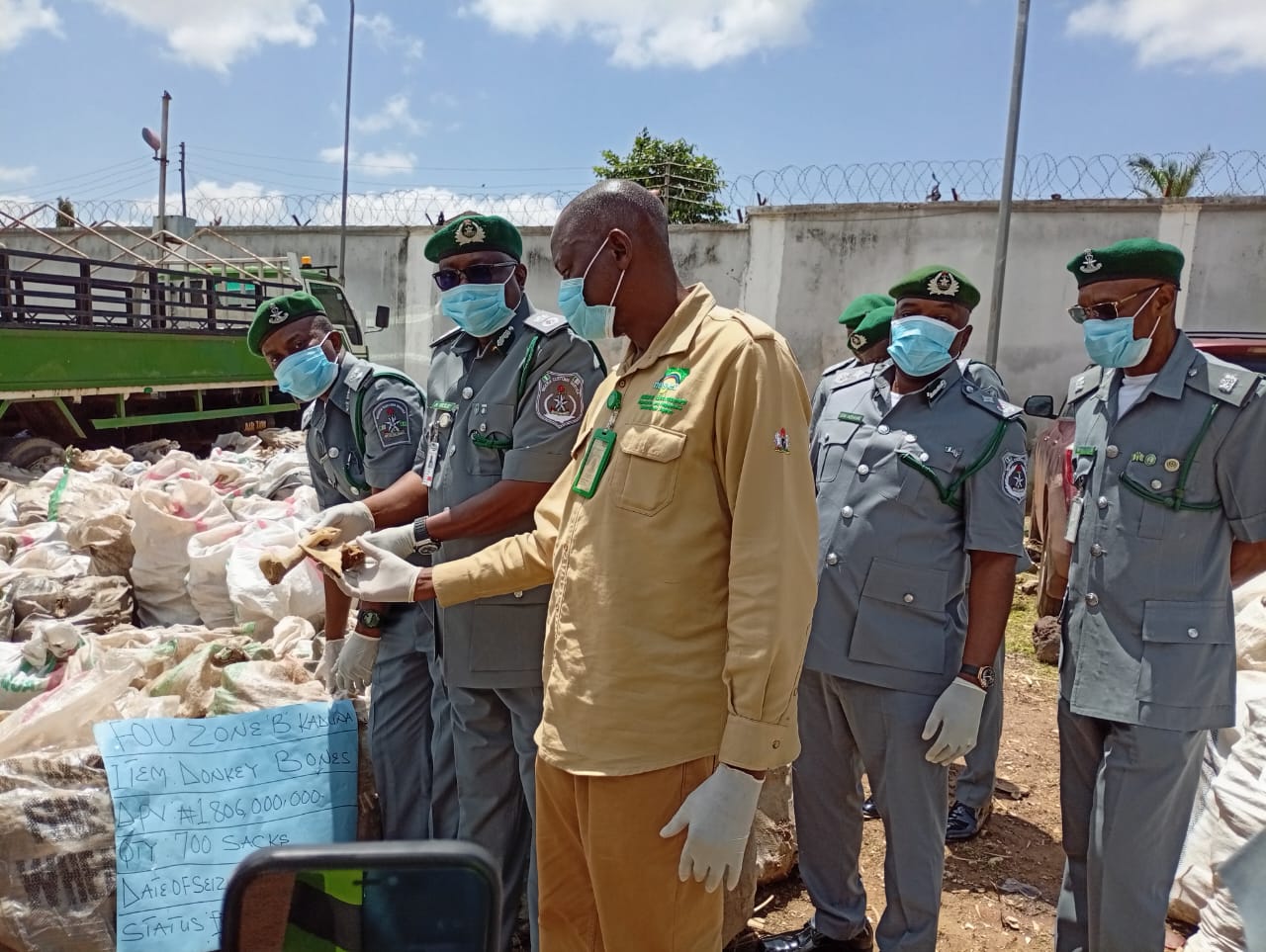
The National Environmental Standards and Regulations Enforcement Agency (NESREA) has destroyed 700 sacks of donkey parts handed over to it by the Nigerian Customs Service (NCS) in Kaduna as part of efforts to enforce environmental regulations and combat wildlife trafficking.
The destruction exercise, which took place on October 3rd, 4th, and 6th, 2025, involved the incineration of donkey bones in two designated facilities and the burial of skins in an approved site.
The operation was conducted in strict compliance with environmental standards and safety protocols, with personnel using protective equipment to prevent exposure to potential biohazards.
NESREA stated that the successful completion of the exercise was achieved through collaboration with the NCS, ensuring that the process was safe, transparent, and environmentally responsible.
The agency emphasized that the destruction marks a major step in the ongoing fight against the illegal trade in wildlife products and the protection of endangered species across Nigeria.
This follows a similar exercise in July 2025 when NESREA incinerated over 100 bags of donkey genitals in Abuja, also confiscated by the NCS.
Director General of NESREA, Professor Innocent Barikor, expressed concern over the rapid decline in Nigeria’s donkey population, warning that the animals are at risk of extinction due to rising illegal trafficking.
He noted that while donkeys are domestic animals, their exploitation for medicinal and aphrodisiac purposes has increased illicit demand.
According to him, the Federal Government issued an executive order restricting the commercialization of donkey products to prevent further population decline.
Prof. Barikor reaffirmed NESREA’s commitment to discouraging the illicit trade and commended the Nigerian Customs Service for its continued partnership in protecting endangered species.
He urged the public to support government initiatives aimed at preserving wildlife and maintaining ecological balance.
The agency pledged to remain vigilant in enforcing environmental laws to safeguard the nation’s biodiversity.
