

By Abbas Nazil
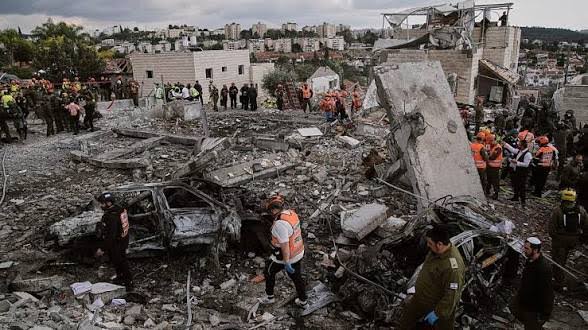
The ongoing conflict in the Middle East is causing extensive environmental damage, displacing communities, destroying infrastructure, and threatening public health, according to the United Nations Environment Programme.
UNEP highlighted that air, soil, and water are all being contaminated as a result of military strikes on oil facilities and other key infrastructure, particularly in urban areas such as Tehran.
Remote sensing data confirms that attacks on oil facilities have led to massive fires, releasing hazardous smoke and toxic compounds into the atmosphere.
The agency warned that this smoke is being directly inhaled by civilians, including young children, raising significant concerns over both immediate and long-term health impacts.
Experience from previous conflicts indicates that large-scale oil fires and spills can lead to widespread environmental contamination, endangering human health and local ecosystems.
Pollution from uncontrolled fires can leach into soil and groundwater, contaminate crops, and threaten food safety for communities in affected areas.
Marine environments have also been affected, with reported oil spills jeopardizing the health of coastal communities that rely on fishing and clean water.
Prior to the conflict, the region already faced serious environmental challenges, including water scarcity, limited access to clean water, and ecosystem degradation.
Strikes on desalination plants have further compounded these challenges, putting communities that depend on these facilities at risk of severe water shortages.
UNEP warned that continued conflict will exacerbate pressure on natural resources, damage terrestrial and marine ecosystems, and set back ongoing efforts to improve water and climate resilience.
The use of modern munitions adds additional environmental hazards, as heavy metals and toxic chemicals from explosives may be released into the soil, water, and air, posing long-term ecological and health risks.
UNEP emphasized that an immediate cessation of hostilities is essential to prevent further destruction and allow communities and the environment to begin recovery.
The agency called on governments, humanitarian organizations, and international partners to prioritize coordinated interventions that address both human and environmental needs.
Inger Andersen, UNEP Executive Director, noted that protecting the environment is critical to safeguarding the well-being of civilians and ensuring the sustainability of natural resources in the region.
UNEP also urged monitoring, research, and assessment of environmental damage to guide post-conflict recovery efforts and support policies that reduce future risks.
The organization emphasized that environmental protection must be integrated into emergency responses, reconstruction plans, and broader humanitarian strategies to prevent long-term ecological and human harm.
Without swift action, the environmental consequences of the conflict could persist for decades, affecting food security, public health, and the resilience of ecosystems across the Middle East.
UNEP’s warning underscores the urgent need for global attention and collective action to address the intersection of conflict and environmental degradation.
