

By Faridat Salifu
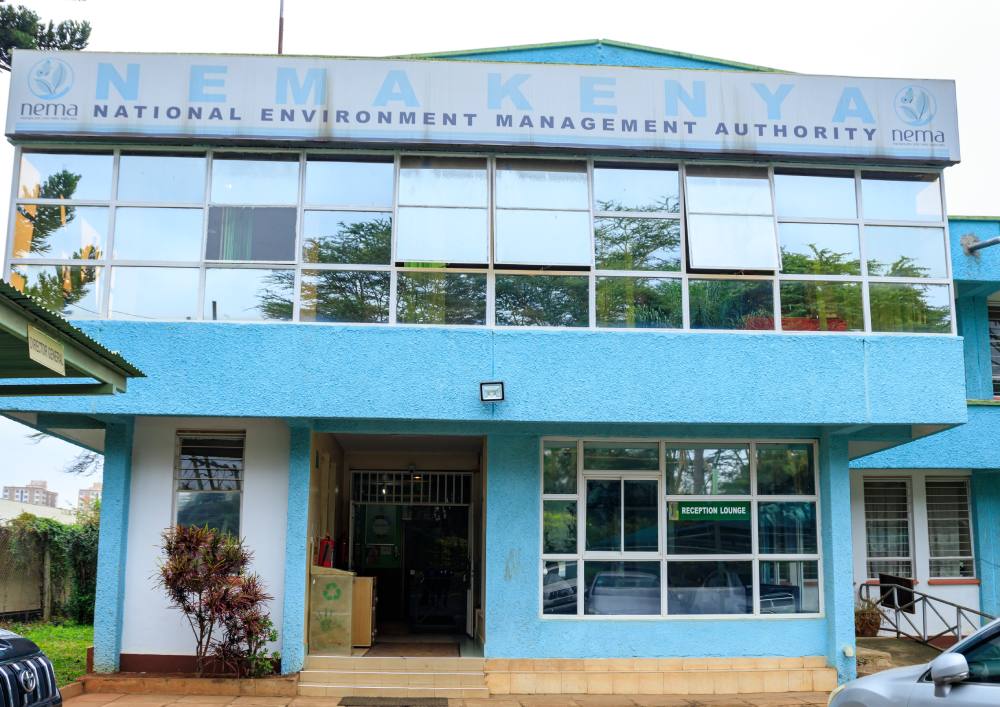
Kenya’s National Environment Management Authority (NEMA) has launched a nationwide public validation process for proposed e‑waste and environmental regulations, signalling a shift toward more inclusive policy‑making that aims to protect both human health and the environment.
The authority said it wants to ensure that new rules governing electronic waste and other environmental issues reflect the experiences and priorities of citizens, industry stakeholders and community groups before the regulations are finalised.
E‑waste — which includes discarded electronics such as mobile phones, laptops and batteries — has grown rapidly in Kenya, driven by increased technology use and limited formal recycling infrastructure, creating mounting environmental and health concerns.
NEMA officials said the proposed e‑waste regulations are designed to fill a policy gap by introducing clear standards for collection, recycling and disposal, as well as measures to hold producers and importers accountable for the life cycle of their products.
The draft environmental regulations being reviewed also cover broader topics such as pollution control, waste management requirements, enforcement procedures and penalties for non‑compliance.
Speaking at the launch of the public consultation, a senior NEMA representative said the authority is deliberately broadening participation to ensure that the regulations are both practical and enforceable on the ground.
“We need rules that work for communities, businesses and regulators — not just rules on paper,” the official said, noting that stakeholder feedback can help tailor the regulations to Kenya’s specific environmental realities.
Under the public validation process, interested parties can attend stakeholder meetings, submit written comments and engage through online platforms organised by NEMA.
Environmental experts welcomed the move, saying broader public input can strengthen ownership of the regulations and improve compliance outcomes once they are adopted.
Community advocates said that without clear e‑waste rules, hazardous materials from electronics — including lead, mercury and other toxic substances — could contaminate soil, water sources and air, posing risks to both people and ecosystems.
Industry representatives also noted that predictable regulations can help grow formal recycling businesses, create green jobs and attract investment in sustainable waste management infrastructure.
NEMA said that public feedback will be carefully reviewed and used to revise the draft rules before they are submitted to the relevant authorities for final approval.
The consultation process is part of the authority’s broader effort to modernise Kenya’s environmental governance framework and align it with international best practices on waste and pollution management.
Officials encouraged members of the public, environmental groups, private sector actors and local governments to take part in shaping the regulations.
