

By Abbas Nazil
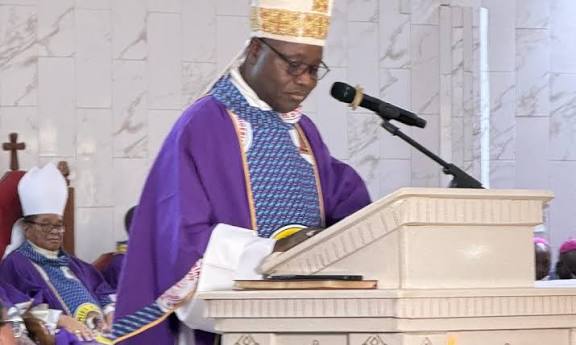
The Catholic Archbishop of Abuja, Most Rev. Ignatius Kaigama, has called on Nigerian leaders to prioritise the common good over personal and partisan interests while addressing governance gaps and rising youth unemployment.
He made the appeal during his homily at the opening Mass of the first 2026 Plenary Assembly of the Catholic Bishops Conference of Nigeria in Abuja, where he spoke on the theme “The Common Good and Leadership in Nigeria.”
Kaigama criticised the pursuit of power without responsibility, transparency and accountability, noting that many citizens have expressed concerns over manipulated elections, weakened justice systems and lack of truthful leadership.
He expressed deep concern over the growing frustration among Nigerian youth, stating that he frequently receives messages from highly qualified graduates who remain unemployed despite their qualifications.
The archbishop advised young people to channel their demands and expectations to elected political leaders who hold constitutional authority to create jobs and implement development policies, emphasising that religious institutions do not possess the mandate to provide employment.
He expressed hope that the upcoming 2027 general elections would be conducted freely and fairly, with full deployment of modern electronic voting systems to ensure results reflect the genuine will of the people.
Kaigama also disclosed that the Church observed the recent local government elections in the Federal Capital Territory and is prepared to share its findings with relevant authorities to strengthen transparency and improve electoral processes.
He called for unity between Christians and Muslims, noting that the overlap of the Lenten and Ramadan seasons highlights shared spiritual values and the need for collective responsibility in promoting peace and development.
The cleric urged Nigerians to avoid unhealthy rivalry, divisive rhetoric and inflammatory discussions, particularly on social media and in political debates, while encouraging constructive engagement on national issues.
He referenced the 2026 Lenten message of Pope Leo XIV, which emphasises restraint, reflection and moral responsibility in public life, and urged leaders and citizens to adopt those principles in governance and civic participation.
Officials of the Catholic Secretariat of Nigeria described the plenary assembly as an important platform for the Church to assess national realities and chart pathways toward social justice and sustainable development.
The Secretary General stated that the gathering provides space for bishops to deliberate on pressing challenges affecting the country and to issue policy recommendations through a final communiqué expected at the end of the meeting.
Senator Osita Izunaso emphasised that good governance requires shared responsibility between leaders and citizens, urging continuous engagement between religious institutions and political actors to strengthen accountability.
The Director of Catholic Television announced the launch of a 40-day Lenten pop-up channel on DSTV as part of digital evangelisation efforts aimed at expanding spiritual outreach and promoting ethical leadership conversations.
The plenary, which brought together bishops from across Nigeria, is scheduled to conclude with an official communiqué outlining the Church’s position on governance, social justice and national development priorities.
