

By Abbas Nazil
Climate change driven by global warming and melting ice sheets poses a growing threat to food security in southern Iran, according to Ahad Vazifeh, head of the country’s Meteorological Organization.
He warned that rising sea levels in the Persian Gulf could have severe consequences for coastal provinces, particularly Khuzestan, Hormozgan and Bushehr.
Vazifeh explained that if sea levels rise by as much as one metre by the end of the century, extensive coastal areas would be exposed to flooding and saltwater intrusion.
Such intrusion would contaminate agricultural soils, undermine soil quality and endanger palm groves that are vital to livelihoods and food production along Iran’s southern coast.
Beyond sea level rise, the official stressed that climate change is already disrupting food systems by altering weather patterns and planting schedules across the country.
He noted that reduced agricultural yields, soil degradation and declining marine production are becoming more frequent as temperatures rise and climate variability increases.
These combined pressures, Vazifeh said, highlight the urgent need for policy reforms and a stronger shift toward climate change adaptation strategies.
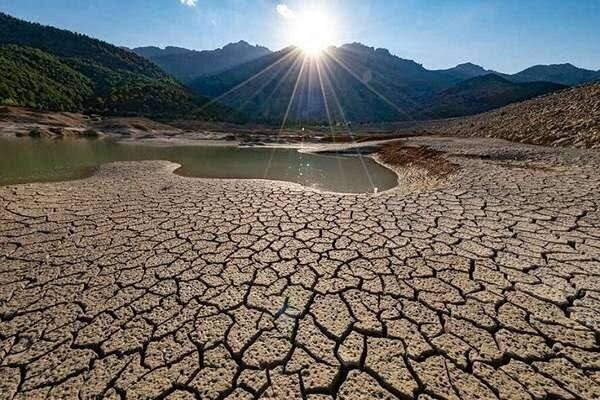
Iran is already experiencing a sharp decline in annual precipitation, compounded by environmental challenges such as wetland drying, land degradation, desertification and frequent sand and dust storms.
According to Shina Ansari, head of the Department of Environment, strengthening resilience and adaptive capacity remains the most effective way to reduce vulnerability to climate impacts.
She explained that climate change is not only an environmental issue but also a growing public health concern, especially in West Asia where temperature increases exceed the global average.
Ansari said rising temperatures indirectly intensify pathogens and place additional strain on the health system, increasing risks for vulnerable populations.
She made these remarks while addressing an environmental health conference at Shahid Beheshti University of Medical Sciences in Tehran.
Citing global assessments, Ansari noted that climate change is expected to cause more than five million additional deaths worldwide over the next two decades.
She emphasised that a country’s ability to protect public health depends largely on how well its health system can adapt to climate-related risks.
Indirect impacts of climate change, including the spread of mosquito-borne diseases, were also highlighted as emerging threats.
Ansari warned that these effects could further undermine food security, deepen poverty and intensify conflicts, as well as drive internal and cross-border migration.
Together, the warnings from meteorological and environmental authorities underline the scale of the climate challenge facing Iran.
They also reinforce the need for coordinated action to safeguard agriculture, protect coastal ecosystems and strengthen resilience in the face of accelerating climate change.
