
Climate Change Of Soil Degradation Is A Growing Threat To Livelihoods In Nigeria And The World-Over

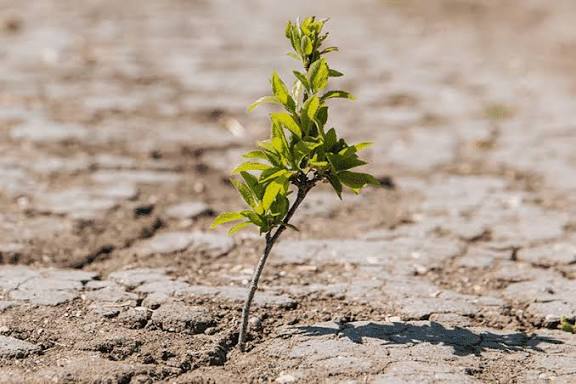
Climate change is no longer a distant threat that people only hear about on the news; it is happening right now and its effects are being felt across the globe. For Nigeria, Africa’s most populous nation with over 230 million people, the issue is particularly urgent. Rising temperatures, unusual weather events and soil degradation are already affecting food production, health, as well as the economy. Understanding the scope of the problem and the steps that can be taken to address it is critical for safeguarding the country’s future.
Climate change refers to the gradual heating of the Earth’s atmosphere caused by human activities such as burning fossil fuels, cutting down trees and using chemicals in agriculture. This heating traps more heat in the air, creating unusual weather patterns, stronger storms and rising sea levels. In Nigeria, where agriculture employs about 35% of the labor force and contributes around 24% to the national GDP (National Bureau of Statistics, 2023), the consequences are far-reaching. Millions of people already face the direct effects of these changes, from drought in the north to flooding in the south.
One of the clearest signs that climate change is real and happening now is the shift in Nigeria’s weather. Average annual temperatures in the country have risen by about 1.6°C since 1901, which is higher than the global average increase (World Bank, 2021). This may sound small, but even slight temperature changes increase the frequency of heat waves, worsen storms, and dry up water sources. Northern Nigeria, home to the Sahel and semi-arid regions, has been especially hit by desertification. Communities there have seen farmlands turn into barren sand, forcing many farmers to abandon agriculture altogether. In contrast, southern Nigeria suffers heavy rainfall and coastal erosion, with Lagos and other coastal cities at risk of being swallowed by rising seas (UNDP, 2022).
Human activities are the main drivers of these changes. Nigeria is the largest oil producer in Africa, and burning petroleum products remains a major source of greenhouse gas emissions. Gas flaring, though illegal, still happens in oil-rich areas of the Niger Delta, releasing massive amounts of carbon dioxide and methane into the atmosphere (Nigeria Gas Flare Tracker, 2022). Deforestation is another major contributor. Nigeria has one of the highest deforestation rates in the world, losing an estimated 3.7% of its forest cover every year due to logging, fuelwood harvesting, and farmland expansion (FAO, 2020). This means the natural ability of trees to absorb carbon is declining just as emissions are increasing.
Scientists across the globe agree on the causes and dangers of climate change. In fact, more than 99% of climate scientists confirm that human activities are the main factor driving the Earth’s warming (IPCC, 2021). For Nigeria, the situation is even more urgent because of the country’s large population and heavy reliance on climate-sensitive sectors like agriculture, fisheries, and forestry. Every bit of warming makes things worse. Even a small rise in temperature affects rainfall patterns, reduces crop yields and intensifies the risk of natural disasters such as floods and droughts.
Nature alone cannot keep up with the pace of these changes. While animals, plants and ecosystems have always adapted to shifts in climate, the rapid heating caused by human activity is happening too quickly. In Nigeria, certain regions may become uninhabitable if current trends continue. Parts of the northeast, already facing conflict and poverty, are projected to get even hotter and drier, while the Niger Delta could lose large portions of its land to flooding (World Bank Climate Risk Profile: Nigeria, 2021). This poses a risk of mass migration within the country, as people leave their homes in search of safer and more fertile land.
The effects on human health are also serious. Fossil fuel pollution is linked to air quality problems, causing breathing difficulties, heart disease and strokes. The World Health Organization estimates that air pollution causes around 114,000 premature deaths in Nigeria every year (WHO, 2021). Rising temperatures also encourage the spread of diseases like malaria and cholera, which thrive in warmer, wetter conditions. For poor communities with limited access to healthcare, this creates an even heavier burden.
Despite the challenges, there is still hope. If governments, communities and individuals act fast to reduce pollution and adopt sustainable practices, climate change can be slowed, and its most dangerous impacts can be prevented. Nigeria has already pledged to achieve net-zero emissions by 2060 (Federal Government of Nigeria, 2021) but this requires strong action such as expanding renewable energy, enforcing forest protection, and reducing gas flaring. Investing in solar power, which is abundant in northern Nigeria, could provide clean electricity while cutting dependence on fossil fuels.
Closely linked to climate change is the problem of soil degradation. Soil is the foundation of agriculture, but in Nigeria it is being damaged at an alarming rate. Over 35% of the country’s land is affected by desertification, and about 6% is prone to severe erosion (Federal Ministry of Environment, 2020). This reduces the ability of farmers to grow crops, threatening food security for millions of people.
Reduced agricultural productivity is the most obvious effect of soil degradation. With more than 80 million Nigerians depending directly on farming for their livelihood (FAO, 2021), declining soil fertility means lower harvests, higher food prices, and greater poverty. Crops like millet, maize and sorghum, which are staples in the north, have already shown reduced yields due to poor soil quality and erratic rainfall.
Soil degradation also increases erosion, which washes away fertile topsoil and leaves behind barren land. In southeastern Nigeria, gully erosion has destroyed homes, schools, and roads, displacing entire communities (World Bank, 2020). Flooding is another problem. When soil loses its ability to absorb water, heavy rains lead to sudden floods that damage infrastructure and cause loss of lives.
Another consequence is the loss of biodiversity. Healthy soil supports a wide range of plants, insects and microorganisms but degraded soil cannot sustain this balance. As a result, Nigeria is losing valuable species that play important roles in pollination and natural pest control.
Water pollution is yet another effect. Chemical fertilizers and pesticides used to boost poor soils often wash into rivers and streams, contaminating drinking water and harming aquatic life. This worsens the health risks for communities that rely on untreated water sources.
The link between soil degradation and climate change cannot be ignored. Poor soils release more carbon into the air, adding to global warming, while climate change itself worsens soil damage through droughts and floods. Human health is caught in the middle, as malnutrition rises from declining food production and diseases spread through polluted water.
The economic losses are staggering. According to the Nigerian government, desertification and land degradation cost the country about $9 billion every year (Federal Ministry of Environment, 2020). This burden falls hardest on smallholder farmers, who make up the majority of Nigeria’s agricultural workforce.
Nigeria’s fight against climate change and soil degradation requires both immediate and long-term action. Community-based projects that encourage tree planting, sustainable farming and water conservation are already making small but significant differences. Expanding irrigation, promoting organic fertilizers and introducing climate-resilient crops can help farmers adapt. At the national level, stricter enforcement of environmental laws and investment in renewable energy will be key.
Climate change and soil degradation may seem overwhelming but, they are not unsolvable problems. Nigeria has the knowledge, the resources and the people to turn the tide if action is taken with urgency. Protecting the land, the air, as well as the water today is the surest way to secure a safe and prosperous future for generations yet unborn…
A. A. Tijjani (Sadauki)
Publisher, Apt-Crown Magazine
+2248033464986
sadaukie@gmail.com
