

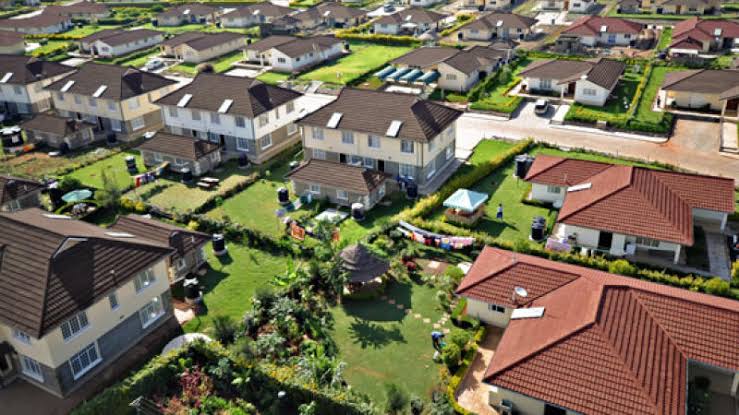
In an era where environmental consciousness is paramount, the concept of eco-friendly homes has become more than just a trend; it’s a responsible way of living that aligns with the pressing need for sustainability.
Designing homes with the environment in mind goes beyond installing energy-efficient appliances—it involves a holistic approach that encompasses architecture, materials, and lifestyle.
Here’s a comprehensive guide on what eco-friendly homes should look like:
1. Sustainable Architecture
The foundation of an eco-friendly home lies in its design. Optimal orientation to harness natural light, cross-ventilation, and passive heating and cooling systems are crucial. Green roofs and walls not only provide insulation but also contribute to biodiversity. Architects are increasingly incorporating recycled and locally-sourced materials to reduce the carbon footprint of construction.
2. Energy Efficiency
Solar panels are a hallmark of environmentally conscious homes, converting sunlight into clean energy. Advanced insulation materials and high-efficiency windows minimize energy loss. Smart home technologies, including energy-efficient lighting and programmable thermostats, play a pivotal role in reducing overall energy consumption.
3. Water Conservation
Eco-friendly homes integrate water-saving technologies, such as low-flow toilets, rainwater harvesting systems, and greywater recycling. Drought-resistant landscaping with native plants reduces the need for excessive watering. Smart irrigation systems adapt to weather conditions, optimizing water usage.
4. Eco-Friendly Materials
The choice of construction materials significantly impacts a home’s environmental impact. From reclaimed wood and recycled steel to bamboo and cork flooring, using eco-friendly materials reduces the depletion of natural resources. Additionally, the use of non-toxic paints and finishes contributes to healthier indoor air quality.
5. Waste Reduction
The construction process generates a substantial amount of waste. Eco-friendly homes strive to minimize this impact by recycling and repurposing materials. Waste reduction continues after construction through composting and recycling programs.
6. Integrated Green Spaces
Eco-friendly homes extend their impact beyond their walls by incorporating green spaces. Gardens, edible landscapes, and even small-scale farming initiatives contribute to biodiversity and provide sustainable food sources.
7. Sustainable Lifestyle
Beyond the physical structure, an eco-friendly home encourages a sustainable lifestyle. This includes promoting public transportation, biking, or walking, and integrating home automation systems that optimize energy usage based on daily routines.
Conclusion
The vision of eco-friendly homes goes beyond aesthetics; it’s about creating a harmonious coexistence with nature. As we embrace the principles of sustainable living, the blueprint for these homes becomes a guide not just for homeowners but for the future of our planet.
Building tomorrow means designing homes that not only meet our needs today but also preserve the environment for generations to come.
