

By Abbas Nazil
A new study from Finland has revealed that different types of char added to soil can have contrasting impacts on greenhouse gas emissions, highlighting the need for careful selection of materials to enhance soil health and combat climate change.
Researchers from the Natural Resources Institute Finland (Luke) and partner universities examined how biochar and hydrochar, when combined with nitrogen fertilizer, affected emissions of carbon dioxide, nitrous oxide, and methane in boreal grasslands planted with timothy grass and red clover.
Over three months, the team discovered that biochar and hydrochar behaved in opposite ways.
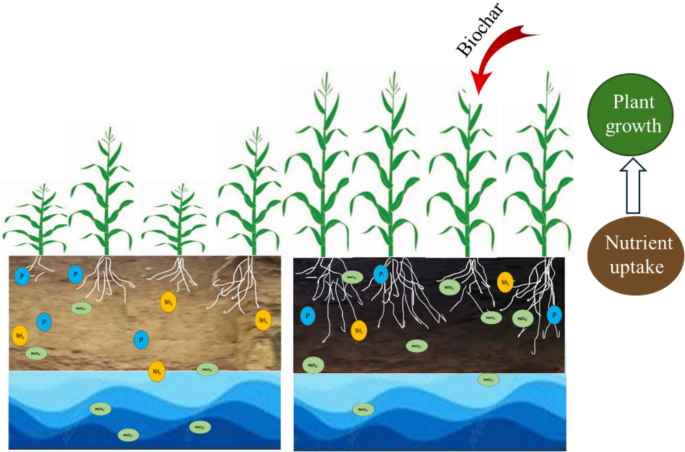
Biochar, made through high-temperature pyrolysis of birch wood, increased nitrous oxide emissions, a powerful greenhouse gas often linked to fertilizer use.
In contrast, hydrochar, produced at lower temperatures from birch bark, reduced nitrous oxide release and even turned soils into slight nitrous oxide sinks under certain conditions.
Lead researcher Hem Raj Bhattarai explained that hydrochar seems to encourage soil processes that remove nitrous oxide, while biochar stimulates microbes that generate it.
Both materials enhanced particulate organic carbon in the soil, boosting organic matter buildup, but neither significantly affected total carbon dioxide or methane emissions.
The researchers also found that hydrochar promoted higher microbial biomass carbon than biochar, suggesting more active soil microbial communities that could help suppress harmful gas emissions.
Interestingly, when paired with nitrogen fertilizer, biochar slightly reduced the yield of timothy grass, indicating that it may limit nitrogen uptake in some cases.
According to the study, understanding these complex interactions between soil microbes, vegetation, and nitrogen management is vital to designing climate-smart agricultural systems.
The authors recommend future research at field scale and across various soil types to guide sustainable farming in northern regions.
The findings, published in *Biochar*, underscore that not all soil amendments are created equal.
Selecting the right type of char could determine whether farmland becomes a greenhouse gas source or sink.
