

By Abbas Nazil
Japan is turning to the power of anime to awaken young people’s interest in the fight against climate change through an upcoming animated series titled “Future Kid Takara.”
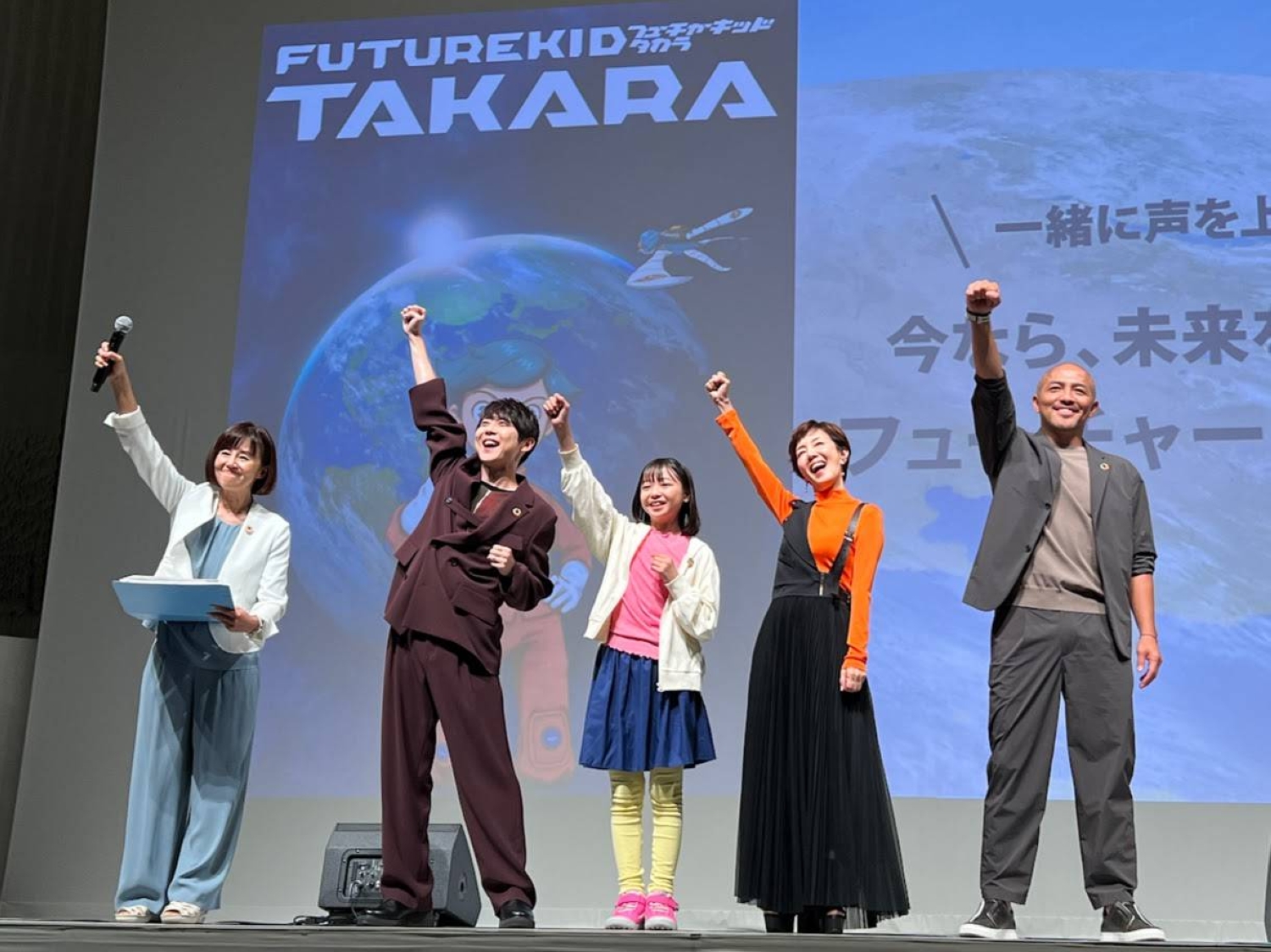
Produced by NHK Enterprises, the 11-episode series will air on NHK Educational TV in November, aiming to educate children about the causes and impacts of global warming while inspiring hope for a better future.
The story begins in the year 2100, where a boy named Takara and scientist Dr. Amory attempt to escape a violent tornado before accidentally traveling back to 2024.
In this timeline, they meet a 12-year-old girl named Sara and together explore the Earth as it once was — a planet of beauty now threatened by human activity.
Through their adventures, they witness signs of environmental destruction including melting glaciers, droughts, floods, and forest fires.
According to climate scientist Seita Emori of the University of Tokyo, who supervised the project, the anime is designed for classroom use and aligns with Japan’s Sustainable Development Goals curriculum introduced in 2020.
He emphasized that the goal is not only to teach about the dangers of climate change but also to motivate children to take action.
At the Osaka Expo, where the series was previewed, Emori told an audience of nearly 2,000 that global warming represents “a crisis of humanity, civilization, and the Earth,” but he stressed that the narrative aims to show how collective effort can change the future.
The release of “Future Kid Takara” comes amid growing concerns about Japan’s youth apathy toward environmental issues.
A 2025 Ipsos report revealed that only 40% of Japanese respondents believe individual action is necessary to tackle climate change, placing Japan last among 32 surveyed countries.
Similarly, a 2023 Cabinet Office poll found that just 31% of those aged 18 to 29 expressed interest in climate issues, compared to 60% of people over 70.
Experts attribute this disinterest to Japan’s education and media systems, which often discourage activism and fail to connect extreme weather to climate change.
University of Oxford researcher Yosuke Buchmeier noted that while climate-related disasters frequently make the news, they are rarely linked to human-driven global warming, resulting in low awareness among the public.
NHK journalist and producer Kyoko Gendatsu said the lack of empowerment among youth is another challenge.
Citing a Nippon Foundation survey, she observed that fewer than half of Japanese teenagers believe they can make a difference in society, compared with far higher confidence levels among youth in countries such as China and India.
To address this, “Future Kid Takara” combines entertainment and education to encourage hope and agency.
The series features well-known voice actors and even former national soccer star Shinji Ono, who warns that rising temperatures could one day make sports events impossible.
Producers also plan to screen the anime at COP30 in Brazil with English subtitles to reach a global audience.
Unlike previous Japanese films such as “Weathering With You,” which hinted at climate change but avoided direct discussion, “Future Kid Takara” places the crisis at the heart of its story.
Researchers like Kelvin Tang of the University of Tokyo praise the project as a valuable tool for climate education, saying it can turn awareness into action among children.
By merging storytelling with science, Japan’s new anime hopes to transform apathy into activism and inspire its youngest citizens to believe they can change the planet’s future — one small step at a time.
