

By Abbas Nazil
A recent poll conducted by NatureNews Africa across various social media platforms has revealed a strong public sentiment towards reducing plastic use as the most effective strategy to protect Africa’s rivers and lakes.
With over 55% of respondents choosing “Reduce plastic use” as their top priority, the poll reflects growing awareness among Africans about the destructive role of plastic pollution in freshwater ecosystems.
Other options in the poll included “Ban industrial waste dumping” (25%), “Stop illegal mining” (10%), and “Improve sewage treatment” (10%).
The online poll, which was posted on Facebook, Instagram, X (formerly Twitter), and LinkedIn, attracted thousands of participants from across the continent, cutting across diverse backgrounds—environmentalists, youth advocates, researchers, policy followers, and concerned citizens.
The overwhelming response shows that many Africans are paying closer attention to the deteriorating health of their water bodies and are eager for practical solutions.
NatureNews Africa, a pan-African media platform dedicated to environmental sustainability, science, and nature advocacy, initiated the poll as part of its ongoing commitment to raising public consciousness about water protection and conservation.
The platform believes that the people’s voice should be central in driving environmental policy, and this poll is one of many steps toward gauging public priorities on pressing environmental issues.
In light of the results, NatureNews Africa reaffirmed its position on the need for aggressive action against plastic pollution, noting that the data further validates years of research and advocacy calling for regional plastic bans, sustainable packaging alternatives, and effective waste management systems.
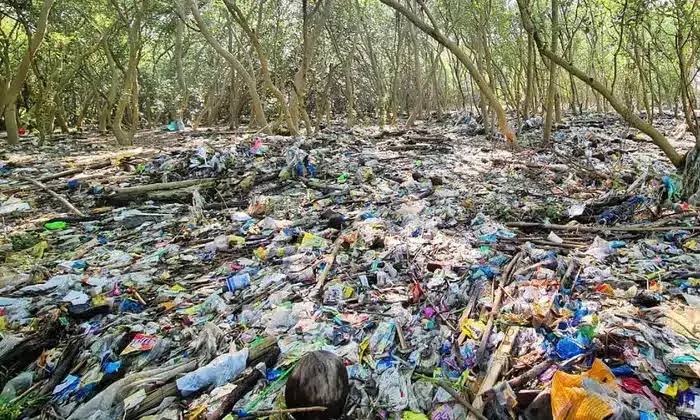
Plastic waste, especially single-use plastics, continues to clog waterways, destroy aquatic habitats, and threaten biodiversity in rivers and lakes from the Nile to Lake Chad, the Congo River to Lake Victoria.
According to the United Nations Environment Programme (UNEP), more than 17 million metric tons of plastic enter the world’s oceans every year, and Africa is increasingly becoming a dumping ground for both local and imported plastic waste.
The poll findings highlight public support for action that aligns with the Africa Union’s Agenda 2063 and the African Ministerial Conference on the Environment (AMCEN) goals for a pollution-free Africa.
The second most supported option—banning industrial waste dumping—received 25% of the votes, revealing concern over unchecked industrial activities that release toxic chemicals into rivers and lakes.
From oil refineries to manufacturing plants, industries have long been culprits in the degradation of aquatic systems. However, many countries still struggle to enforce environmental regulations or monitor compliance effectively.
Meanwhile, 10% of respondents advocated for an end to illegal mining, which has devastated freshwater bodies through the release of mercury and sedimentation that suffocate aquatic life and disrupt traditional fishing communities.
Another 10% of respondents focused on improving sewage treatment, a foundational issue in urban areas where unprocessed human waste is discharged directly into rivers, creating severe health and sanitation crises.
NatureNews Africa stressed that while plastic reduction received the most votes, the solution to safeguarding water bodies in Africa is multidimensional.
Effective protection requires a combination of legal reforms, citizen engagement, private sector accountability, and regional cooperation.
The media organization calls on African governments, regional bodies, and civil society to act with urgency and coherence.
Reacting to the poll results, Dr. Kemi Iroko, an environmental scientist and contributor to NatureNews Africa, noted: “The voices are clear—Africans want plastic waste addressed.
But they also want comprehensive, systemic change. We must use this public feedback to hold leaders and industries accountable.”
NatureNews Africa has pledged to expand its awareness campaigns around freshwater conservation and amplify community-led initiatives across the continent.
They also plan to publish a policy brief based on the poll findings, recommending strategies for integrating public opinion into national and regional water management frameworks.
With rivers and lakes being the lifeblood of agriculture, drinking water, energy, and culture in many African communities, their protection is not just an ecological issue but a human survival imperative.
NatureNews Africa stands committed to amplifying African voices, mobilizing action, and ensuring that Africa’s water bodies remain healthy, vibrant, and resilient for generations to come.
