

By Awyetu Asabe Hope
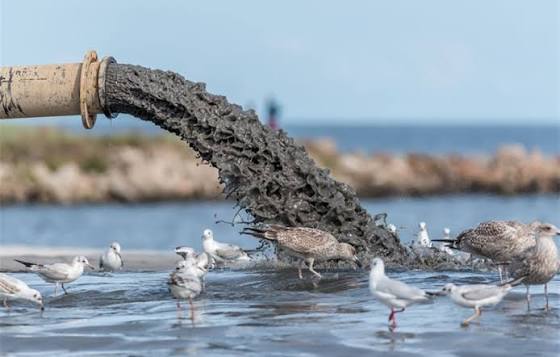
A new global study has revealed that 73 per cent of the world’s marine protected areas are polluted by sewage, sparking fresh concerns about the health of Nigeria’s coastal waters.
The research, conducted by the Wildlife Conservation Society in partnership with the University of Queensland, found that many protected ocean zones are even more contaminated than unprotected areas.
The study, which analysed over 16,000 marine protected areas worldwide, highlights the growing impact of wastewater from households, industries, and businesses on ocean ecosystems.
Experts say the findings challenge the assumption that conservation zones are effectively shielded from pollution.
In Nigeria, environmentalists note that the situation reflects realities along the coastline, particularly in Lagos and the Niger Delta.
Rapid urbanisation, combined with inadequate sewage infrastructure, has led to the widespread discharge of untreated wastewater into lagoons, rivers, and coastal waters.
Marine scientists warn that this pollution is degrading critical ecosystems such as mangroves and seagrass beds, which serve as breeding grounds for fish.
Increased nutrient levels in the water can trigger harmful algal blooms and reduce oxygen levels, leading to declining fish populations.
For coastal communities, the impact is both environmental and economic.
Fishermen are reporting reduced catches, while polluted waters pose serious health risks, including the spread of waterborne diseases such as cholera and typhoid.
Despite existing regulations, enforcement remains weak, with industries and households often discharging untreated waste into the environment.
Experts stress that without major investments in wastewater treatment, stronger policies, and improved public awareness, marine conservation efforts will continue to fall short.
They warn that protecting ocean areas alone is not enough, and that tackling land-based pollution is essential to safeguarding Nigeria’s marine resources, food security, and coastal livelihoods.
