

By Abbas Nazil
China’s carbon emissions have remained flat or slightly declining for nearly two years, raising hopes that the world’s largest emitter may have reached its carbon peak.
Research conducted by the Centre for Research on Energy and Clean Air for Carbon Brief showed that China’s emissions fell by 0.3% in 2025, with a 1% drop in the final quarter of the year.
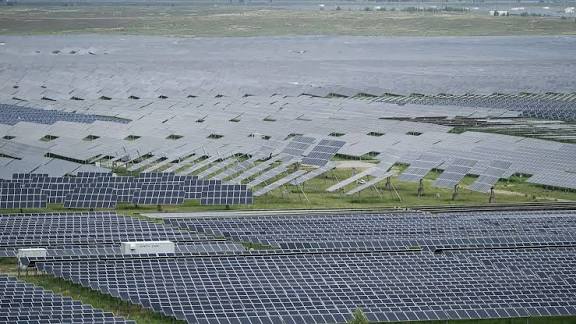
This decline follows a boom in renewable energy installations, which helped offset emissions from China’s power sector, the largest contributor to the country’s carbon footprint.
Electricity generation from solar, wind, hydro, and nuclear all grew strongly in 2025, with solar capacity alone increasing by 43%.
Additionally, China’s energy storage capacity expanded faster than peak electricity demand for the first time, offering potential to manage energy loads without relying on fossil fuels.
Despite these gains, concerns persist due to China’s ongoing dependence on coal and fossil fuels for energy security and industrial growth.
Fossil fuel emissions grew slightly in 2025, with the chemicals industry increasing coal use by 15% and oil consumption by 10%.
Coal-to-chemicals expansion and continued commissioning of coal and gas-fired power plants could trigger future emissions spikes.
In 2025 alone, China added more coal capacity than India did over the past decade, with much of it expected to come online in 2026.
Rising electricity demand from a growing middle class, industrial activity, artificial intelligence, and electric vehicle charging contributes to pressure on fossil fuel use.
Chinese policymakers have proposed reaching a peak in coal consumption by 2027, leaving open the possibility of emissions rebounding if coal use rises.
Maintaining downward trends will depend heavily on policy decisions, including strengthening the 15th five-year plan, improving grid efficiency, expanding storage capacity, and curbing coal-to-chemicals growth.
Experts note that carbon intensity, currently six percentage points short of targets, must be reduced by 23% in the next five years to meet Paris Agreement commitments.
While renewable energy and storage investments provide hope, China’s emissions trajectory remains vulnerable to industrial demands, coal dependence, and the pace of clean energy deployment.
The coming years will be critical in determining whether China can sustain emissions reductions and contribute to global climate mitigation goals.
