

By Abdullahi Lukman
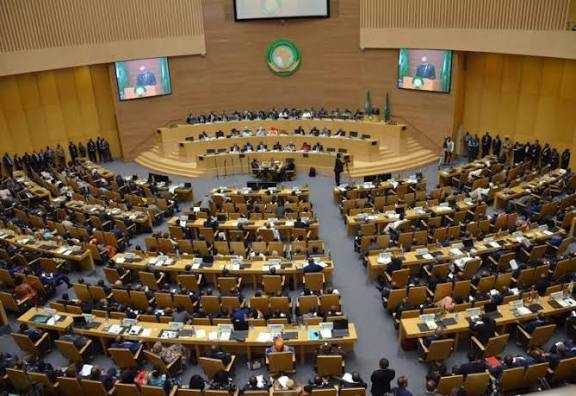
African leaders meeting in Addis Ababa this weekend are prioritizing water security and sanitation as central to the continent’s development, citing mounting pressure from climate change and rapid population growth.
The 39th African Union (AU) Summit is themed “Assuring Sustainable Water Availability and Safe Sanitation Systems to Achieve the Goals of Agenda 2063,” placing water management at the core of climate resilience, economic transformation and long-term stability strategies.
With Africa’s population surpassing 1.5 billion and expanding faster than infrastructure in many regions, leaders are confronting increasing strain on water systems.
More frequent droughts, floods and irregular rainfall linked to global warming are disrupting agriculture, hydropower and urban water supply, making water management a critical adaptation challenge tied to food security, energy stability and livelihoods.
Ahead of the summit’s main assembly, high-level meetings convened by the UN Development Programme (UNDP) and AU bodies focused on climate-resilient investments and sustainable groundwater management, particularly in the Horn of Africa.
Officials say discussions will also emphasize closing sanitation gaps that contribute to preventable diseases, child mortality and reduced productivity.
Beyond water issues, governance and political stability feature prominently on the agenda.
Leaders are expected to renew calls for reform of the UN Security Council to secure permanent African representation.
A ministerial forum organized in partnership with the Nigerian government will explore ways to strengthen institutions and maintain public trust during political transitions.
Peace and security concerns will also be addressed, with attention to conflicts in Sudan, Somalia, the Sahel and the Democratic Republic of Congo. AU officials note that violence and displacement further strain infrastructure and complicate cooperation over shared natural resources.
Youth engagement is another focus area, with discussions aimed at expanding young people’s participation in governance and peacebuilding beyond activism into structured policy and administrative roles.
Economic integration remains a key priority. Leaders will review progress on the African Continental Free Trade Area (AfCFTA), designed to increase intra-African trade, which remains comparatively low.
Talks are also expected to examine African-led financing models and the role of private investment in advancing Agenda 2063, especially as many countries face limited fiscal space, rising borrowing costs and growing debt burdens.
Although AU summits often conclude with broad declarations, officials say this year’s gathering is more sharply focused on implementation—translating policy commitments into funded projects and operational systems across the continent.
