

By Abbas Nazil
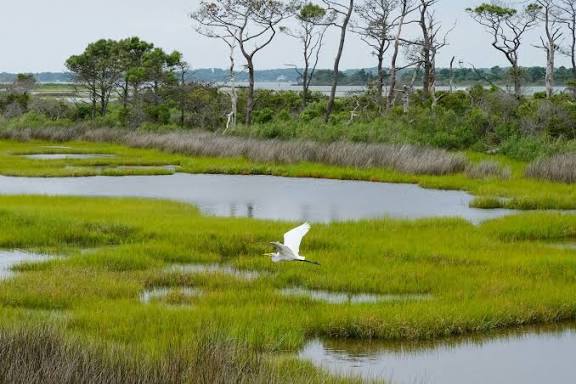
Delta State has emphasised the urgent need to preserve and sustainably manage its wetlands, highlighting their critical importance to the environment, economy, and cultural heritage of the people.
The call was made by the State Commissioner for Environment, Mr. Ejiro Jamani, during the World Wetlands Day celebration held in Asaba, the state capital, with this year’s theme being, ‘Wetlands and Traditional Knowledge: Celebrating Cultural Heritage.’
Represented at the event by the Director of Sanitation and Waste Management, Mrs. Francisca Atiga, Jamani described wetlands not only as ecological treasures but also as repositories of culture, history, and indigenous knowledge.
He noted that Delta State is home to one of West Africa’s most extensive wetland systems, including the mangrove forests of the Niger Delta, Forcados, Escravos, Warri and Benin River estuaries, the Ase and Ethiope floodplains, Burutu and Patani wetlands, as well as freshwater swamps in the Upper Orashi axis.
Jamani explained that traditional knowledge has long guided sustainable use of wetlands, with fisherfolk observing breeding seasons, farmers tracking flood cycles, herbalists utilising medicinal plants, and elders upholding customs and taboos that protect sacred rivers, forests, and species.
Despite these protections, he expressed concern over increasing threats to the wetlands, including oil pollution, illegal dredging, sand filling, mangrove deforestation, indiscriminate waste disposal, urban expansion, and climate change impacts.
To address these challenges, Jamani outlined measures including stronger enforcement of environmental laws, community-based conservation led by traditional rulers, youth and women engagement, environmental education, and promotion of sustainable livelihoods such as eco-friendly fishing, mangrove restoration, and eco-tourism.
He urged all stakeholders to work collectively to protect the state’s wetlands, stressing that the health of these ecosystems is directly linked to the future of Delta State’s environment, culture, and economy.
Earlier, the Director of Environmental Conservation, Mrs. Rebecca Oruma, highlighted that the celebration serves as a call to action, reinforcing that wetlands are vital to the environmental, cultural, and socio-economic wellbeing of the state.
Officials called for continued advocacy, education, and community involvement to ensure wetlands are preserved for future generations, while recognising their role in sustaining biodiversity, livelihoods, and cultural traditions across Delta State.
The event reaffirmed the state government’s commitment to integrating traditional knowledge with modern conservation strategies to ensure the sustainable management of wetlands across the region.
