

By Abbas Nazil
Citizen scientists across Australia are increasingly stepping in to tackle the country’s growing plastic pollution crisis, as weak regulation and failed recycling systems leave waterways, beaches and ecosystems overwhelmed by waste.
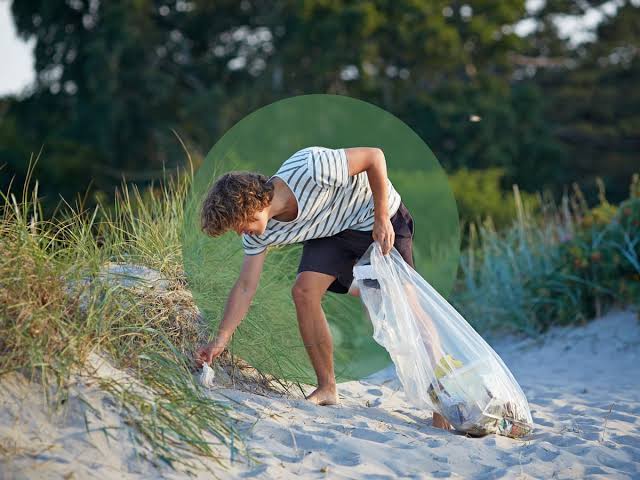
Across urban creeks and remote coastlines, volunteers are collecting, measuring and documenting plastic litter to generate evidence that can drive accountability and policy change.
Plastics now make up more than 80 percent of litter found in Australian public spaces, according to national clean-up surveys, with the country producing over three million tonnes of plastic waste each year.
In Melbourne’s north, local resident Neil Blake has spent the past three years collecting fragments of synthetic turf from a waterway near Darebin Creek.
Blake said he noticed plastic debris entering the environment after a nearby hockey pitch was replaced, with strong winds and leaf blowers scattering fragments into stormwater drains and surrounding land.
Over 56 collection efforts, he gathered measurable quantities of plastic grass, highlighting how infrastructure such as synthetic sports fields can shed between 10 and 100 kilograms of plastic into waterways.
Blake has used electronic scales and laboratory equipment at the Port Phillip EcoCentre’s community science lab to quantify his findings.
He plans to present the data to local authorities and environmental regulators as evidence of ongoing pollution risks.
The EcoCentre’s lab, one of the first of its kind globally, provides microscopes, measuring tools and access to trained scientists for members of the public.
It represents a growing movement of citizen science filling gaps left by inadequate oversight and enforcement.
On the opposite side of the country, similar efforts are unfolding in far more remote locations.
At Australia Bay in Arnhem Land, Sea Shepherd Australia partnered with Gumurr Marthakal Indigenous rangers to clean a culturally significant turtle nesting beach heavily polluted by plastic debris.
The area, located hundreds of kilometres from major population centres, was found to be littered with decades of accumulated plastic waste and abandoned fishing gear known as ghost nets.
Sea Shepherd campaigner Graham Lloyd described the scene as confronting, noting the presence of medical waste, single-use plastics and other debris carried by ocean currents to the isolated shoreline.
The clean-up effort followed a scientific coastal transect survey method, allowing the collected data to contribute to national research conducted by the CSIRO.
These activities, Lloyd said, combine direct action with scientific monitoring to support long-term environmental management.
Environmental advocates argue such initiatives expose the scale of Australia’s plastic problem and the shortcomings of existing systems.
Jeff Angel, director of the Total Environment Centre, said the collapse of the REDcycle soft plastics scheme demonstrated regulatory failure.
He noted that even before REDcycle failed, only a small fraction of plastic waste was being recovered, leaving millions of tonnes to fragment into microplastics.
Angel said citizen science reflects both rising public concern and a collective effort to push for solutions across global, national and local levels.
He added that individual participation helps reduce personal plastic use while spreading awareness through social networks.
National projects such as the Australian Microplastics Assessment Project have engaged more than 10,000 participants and identified dozens of pollution hotspots nationwide.
Clean Up Australia Day and other initiatives continue to offer entry points for public involvement.
April Seymore of the Port Phillip EcoCentre said community science builds trust, turns lived experiences into evidence and empowers people to investigate environmental problems directly.
She added that the goal is not only to produce data, but to create shared responsibility and momentum for change.
As plastic pollution continues to affect ecosystems, climate stability and biodiversity, citizen scientists are increasingly becoming a frontline force in Australia’s environmental response.
