

By Abbas Nazil
Climate scientists say a combination of climate change and the La Niña weather phenomenon is intensifying deadly floods across southern Africa, leaving more than 100 people dead and hundreds of thousands displaced since December.
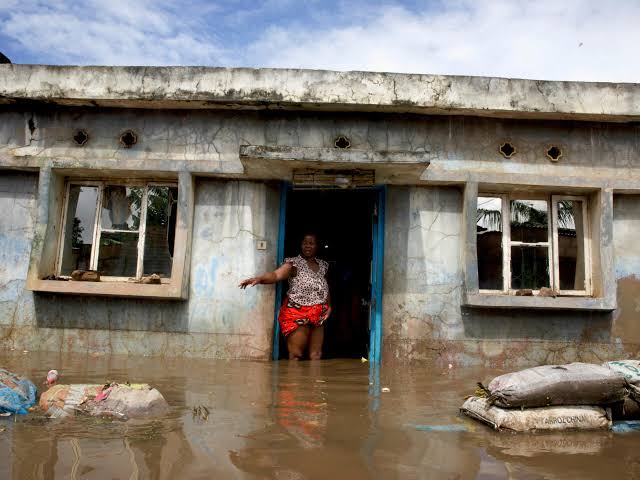
The flooding has affected South Africa, Mozambique, Zambia, Zimbabwe and Eswatini, with torrential rains overwhelming rivers, destroying homes and cutting off entire communities from basic services.
According to World Weather Attribution, an international scientific group that studies extreme weather, some areas experienced more rainfall in a few days than they would normally receive in an entire year.
The scientists found that extreme rainfall events in the region have become about 40 percent more intense compared to pre-industrial times, largely due to warmer ocean temperatures driven by greenhouse gas emissions.
Researchers said the data shows a clear trend toward heavier and more violent downpours as the climate continues to warm.
The impact of climate change has been compounded by the current La Niña cycle, which naturally brings wetter conditions to southern Africa.
While La Niña is a recurring weather pattern linked to cooler Pacific Ocean temperatures, scientists warned that it is now operating in a more moisture-rich atmosphere created by global warming.
As a result, rainfall associated with La Niña is becoming more destructive than in the past.
Flooding in southeastern Africa has also grown more frequent and severe as climate change strengthens storms forming over the nearby Indian Ocean.
Climate experts say warmer sea temperatures are providing more energy and moisture for storms, increasing the risk of widespread flooding.
Izidine Pinto, a senior climate researcher at the Royal Netherlands Meteorological Institute, said human-caused climate change is effectively supercharging rainfall events with devastating consequences.
He noted that continued fossil fuel use is turning already dangerous weather systems into far more extreme disasters.
In Mozambique, the floods have submerged more than 180,000 hectares of farmland, triggering food shortages and sharp price increases for basic goods.
Residents in hard-hit areas reported that the cost of staple foods such as rice and charcoal has nearly doubled since the floods began.
Emergency shelters have been set up to house displaced families, where community kitchens are struggling to meet growing needs.
Volunteers in some shelters are serving more than 1,700 meals a day despite limited supplies.
Many displaced residents say they are forced to skip meals or survive on small portions after losing everything to floodwaters.
In South Africa, swollen rivers forced the closure of Kruger National Park, a major tourist attraction, with officials warning that repairs could take years and cost millions of dollars.
Fifteen tourist camps remain closed, and some areas are still inaccessible due to washed-out roads and bridges.
Although no human deaths were reported inside the park, authorities warned that flooding has increased the risk of dangerous wildlife encounters as animals move beyond their usual habitats.
Across South Africa’s northern regions, red weather warnings remained in place for more than a week as hundreds of homes were destroyed.
The army deployed helicopters to rescue people stranded on rooftops and in trees.
Humanitarian groups said many communities are completely cut off, without electricity, clean water or uncontaminated food.
Aid workers warned that the floods highlight how climate change is already amplifying natural weather patterns, turning seasonal rains into life-threatening disasters across southern Africa.
