

By Abbas Nazil
Northern Nigeria experienced an unusually delayed and weaker Harmattan season in 2025, highlighting the growing impacts of climate change on the region.
Communities across states including Kano, Sokoto, Yobe, Katsina, Kebbi, Kaduna, Adamawa, and Benue reported reduced dust levels, subdued winds, and a later onset of the traditionally dry season.
The Director of Climate Change at the Kano State Ministry of Environment, Umar Sale Anka, explained that the seasonal pattern of the Harmattan is becoming increasingly unpredictable, signaling disruptions in long-established climatic rhythms.
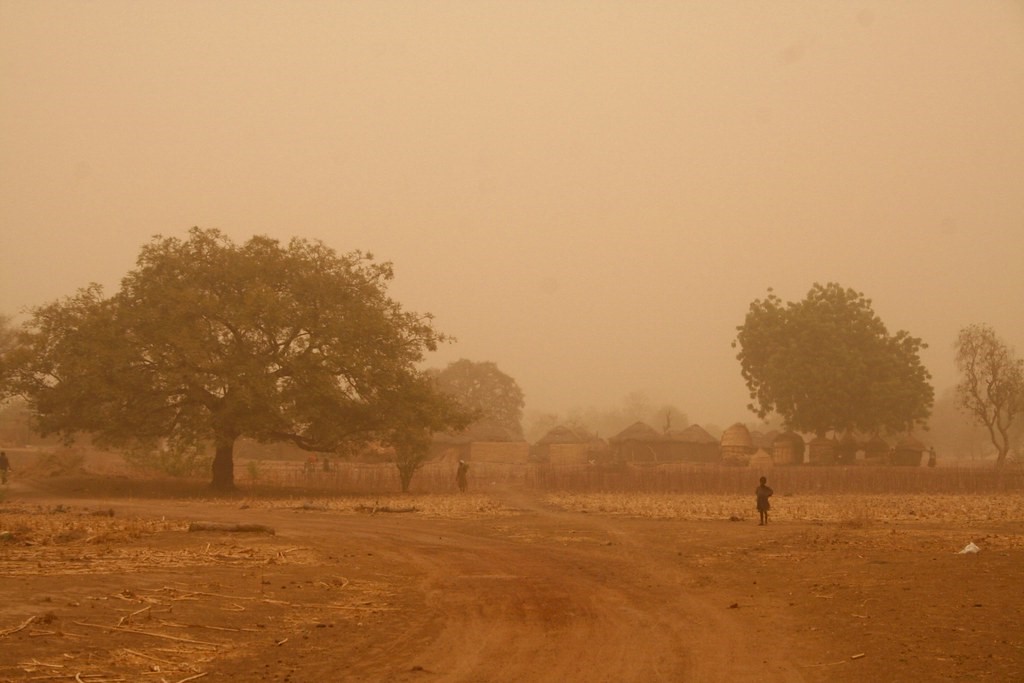
The Harmattan, carried by dry northeasterly winds from the Sahara Desert, usually arrives between late November and mid-March, bringing dry, dusty conditions that define the peak of the dry season.
Rising global temperatures and altered atmospheric circulation have weakened the pressure systems that drive these winds, reducing their intensity and delaying their arrival.
Prolonged rainfall in parts of Northern Nigeria extended into the period that usually marks the early dry season, leaving residual moisture in the atmosphere.
This prevented the dry conditions necessary for the Harmattan, while vegetation loss, land degradation, and changes in land surface temperatures further modified local climate patterns.
Smallholder farmers have been particularly affected, as the irregular season disrupted planting and harvesting calendars, increased crop losses, and reduced yields.
Reduced surface water availability in states like Sokoto and Yobe has made irrigation more difficult and costly, exacerbating food insecurity and economic stress for rural households.
Experts recommend climate adaptation strategies such as the use of drought-tolerant and early-maturing crops, crop diversification, soil conservation, and integrated pest management to stabilize agricultural production.
Investments in water harvesting, drip irrigation, and community reservoirs can maximize limited rainfall and reduce dependence on shrinking water sources.
Civil society organizations including WOFAN, the Centre for Dryland Agriculture, CERD, Green Legacy, and SAN are supporting communities to adopt climate-resilient practices and advocate for policies aligned with changing weather realities.
The delayed and weakened Harmattan is more than a temporary anomaly. It is a clear warning of an evolving climate crisis in Northern Nigeria, requiring urgent adaptation, sustained planning, and coordinated action to protect livelihoods and ensure a resilient and sustainable future.
