

By Abdullahi Lukman
A preliminary report from a Chronic Kidney Disease (CKD) study conducted in Yobe State has detected the presence of harmful heavy metals in water consumed by residents of Gashua town, raising fresh concerns over the long-standing kidney disease burden in the area.
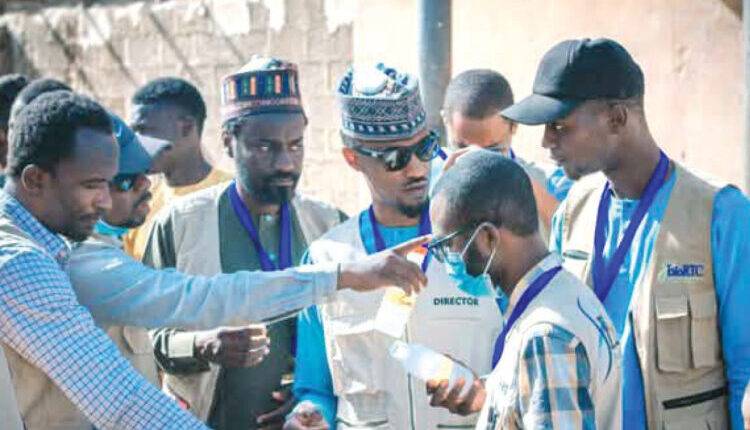
The lead researcher, Prof. Mahmoud Maina, Director of the Biomedical Research and Training Centre (BioRTC) at Yobe State University, disclosed the findings in an interview with the News Agency of Nigeria (NAN) in Damaturu.
He said samples analysed during the research revealed metals such as cadmium, lead and arsenic, which are known to trigger kidney disease and other serious health conditions.
Communities along the Yobe River, including Gashua and Jakusko, have for decades recorded high rates of renal failure, resulting in significant mortality and morbidity.
Maina noted that, aside from environmental factors, CKD in the area was also strongly linked to diabetes and hypertension, with fishermen identified as the most affected occupational group.
According to him, the research involved a multidisciplinary team of about 50 scientists from Nigeria, the United States, the United Kingdom and Ghana.
Over 3,000 samples, including blood, urine, food items, soil, river water and borehole water, were collected for analysis. Experts involved included nephrologists, chemists, geologists, geneticists and environmental scientists.
Maina added that the findings released so far were preliminary, stressing that a more comprehensive report would be made public in January 2026.
He also spoke on a separate dementia research project recently launched by BioRTC, explaining that data and biological samples from 1,200 high-risk individuals had been collected for genetic and biomarker analysis.
He said the centre was using advanced stem cell technology to study dementia and develop future treatment options.
Maina warned that dementia cases in Africa could rise by as much as 300 percent within the next 25 years, describing the condition as a growing public health and economic challenge.
He commended the Yobe State Government for supporting the centre through funding, staff training and infrastructure development, while calling on governments and private donors to invest more in scientific research and innovation to address pressing societal problems (NAN)
