

By Abbas Nazil
Human-driven climate change has warmed ocean waters enough to fuel the extreme rainfall that caused catastrophic floods and landslides across Asia in recent weeks, according to a rapid analysis released by World Weather Attribution.
The study examined heavy rainfall linked to cyclones Senyar and Ditwah, which struck Malaysia, Thailand, Indonesia and Sri Lanka beginning late last month.
Researchers found that sea surface temperatures in the North Indian Ocean were 0.2°C higher than the long-term average and would have been about 1°C cooler without global warming, providing storms with additional heat and moisture.
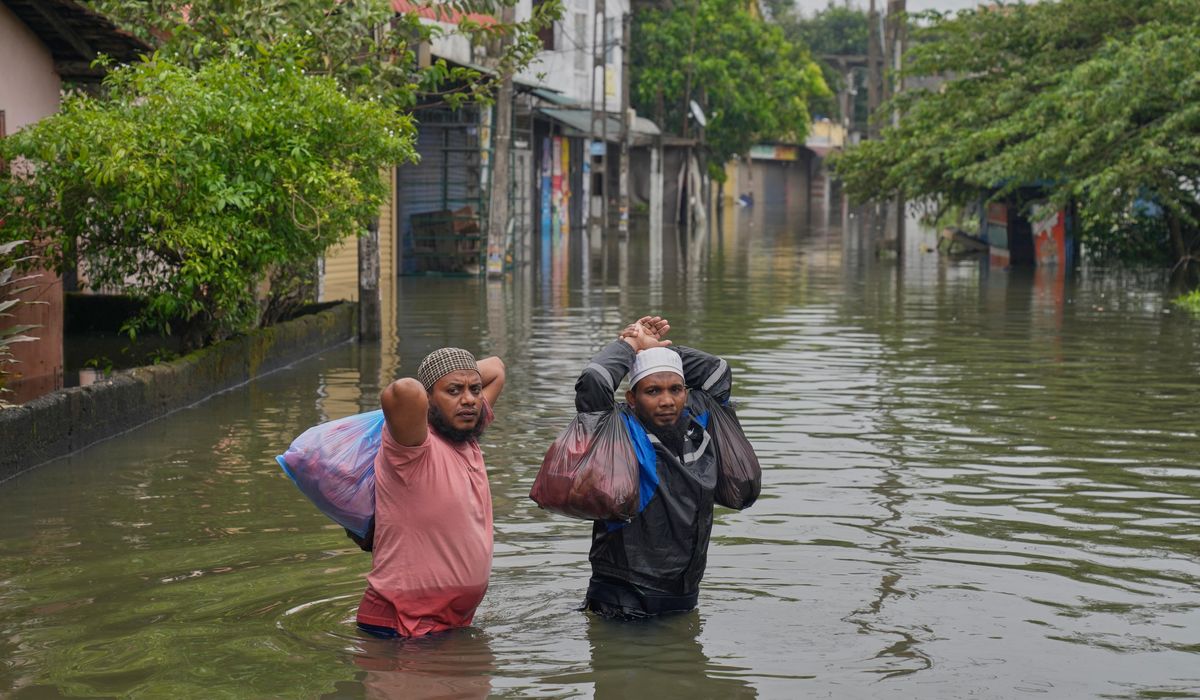
More than 1,600 people have been killed, and hundreds remain missing as communities struggle with destroyed homes, washed-out roads and widespread displacement.
The storms are part of a string of deadly climate-linked disasters that have battered Southeast Asia throughout the year.
Residents in hard-hit Sri Lanka described unprecedented rainfall, with schoolteacher Shanmugavadivu Arunachalam saying every region of the country had been affected, including her town of Hatton in Central Province, which saw severe landslides.
World Weather Attribution, a global network of climate scientists, used peer-reviewed methods to assess the role of climate change in the storms.
While they often quantify how much worse climate change made specific events, researchers said limited climate modelling capacity for affected islands prevented them from estimating exact probabilities in this case.
However, scientists emphasised that a warmer atmosphere can hold more moisture, making intense rainfall more likely. The world is now 1.3°C warmer than pre-industrial times, increasing the energy available for storms.
Experts warn that rapid urbanization, dense populations and infrastructure built in low-lying floodplains have amplified the disasters’ impacts.
These vulnerabilities mean that the poorest and most exposed communities suffer the greatest losses and face the slowest recoveries.
Climate specialists like Jemilah Mahmood of the Sunway Centre for Planetary Health say the region is paying the price for decades of prioritizing economic expansion over climate resilience, creating what she calls an “accumulated planetary debt.”
Humanitarian agencies note that the destruction from cyclones Senyar and Ditwah highlights growing risks in a warming climate, where extreme events are becoming more frequent and more devastating.
Researchers stress that understanding the climate drivers behind such disasters helps communities and governments improve preparedness, protect vulnerable populations and plan for a future where warming-supercharged storms may intensify further.
