

By Abbas Nazil
A new global report tracking progress on Sustainable Development Goal 7 (SDG7) reveals that while access to clean cooking fuels and technologies has improved since 2010, significant gaps remain, particularly in Sub-Saharan Africa.
In 2023, an estimated 74 percent of the global population relied primarily on clean cooking solutions, representing notable progress.
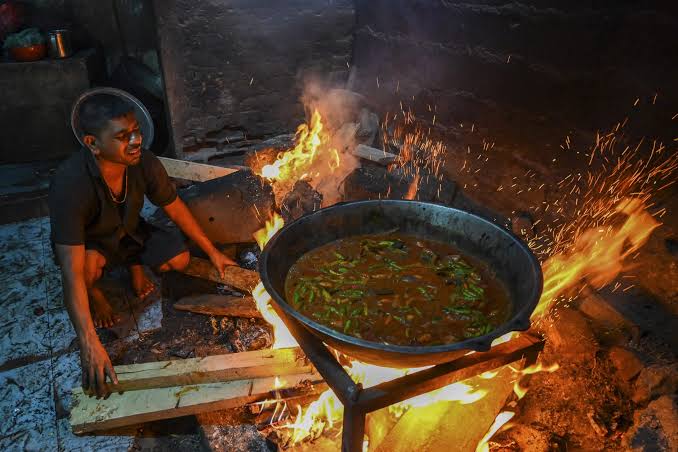
However, roughly a quarter of the world’s population—around 2.1 billion people—still depends on polluting fuels and inefficient technologies for cooking.
At current rates, projections indicate that by 2030 only 78 percent of people globally will have access to clean cooking, leaving nearly 1.8 billion without safe alternatives.
Sub-Saharan Africa is expected to account for the largest share of this shortfall, with the number of people lacking access increasing by 14 million annually, driven by rapid population growth.
Regional improvements have been seen in Eastern Asia, South-eastern Asia, Central Asia, and Southern Asia, largely due to policy measures and rising incomes.
The report also highlights a stark urban-rural divide, with urban areas enjoying around 89 percent access globally compared to just 55 percent in rural regions.
In Sub-Saharan Africa, access rates are particularly low, with 42 percent of urban residents having access compared to only 7 percent in rural communities, a gap of 35 percentage points.
The 20 countries with the largest deficits account for more than 70 percent of people without clean cooking, requiring urgent policy and financial interventions.
Globally, dominant cooking fuels in low- and middle-income countries include liquefied petroleum gas, natural gas, and electricity, while wood, dung, and agricultural residues remain common in rural and peri-urban areas.
The report emphasizes that lack of access disproportionately affects poor and vulnerable populations, particularly women and girls, who face health risks, time poverty, and limited economic opportunities.
Experts call for urgent action, recommending scaled-up investments, targeted support for vulnerable groups, and integration of clean cooking into broader energy access policies to achieve universal coverage by 2030.
