

By Abbas Nazil
The developers of the United Kingdom’s largest undeveloped oil field, Rosebank, have disclosed that the project could release nearly 250 million tonnes of carbon dioxide into the atmosphere if it proceeds.
According to Norwegian energy giant Equinor and its British partner Ithaca Energy, the emissions estimate accounts for the impact of burning oil and gas extracted from the field.
This revelation comes amid a public consultation launched after a court ruling in January required a detailed assessment of the project’s full environmental impact.
The projected emissions are equivalent to two-thirds of the UK’s total annual emissions in 2024, estimated at 371 million tonnes.
Equinor described the emissions as “not significant” in light of the UK’s climate targets, but environmental groups condemned the disclosure as evidence of the project’s potential harm to global climate efforts.
Greenpeace UK’s senior campaigner, Paul Morozzo, called it “a brazen admission of vast climate damage.”
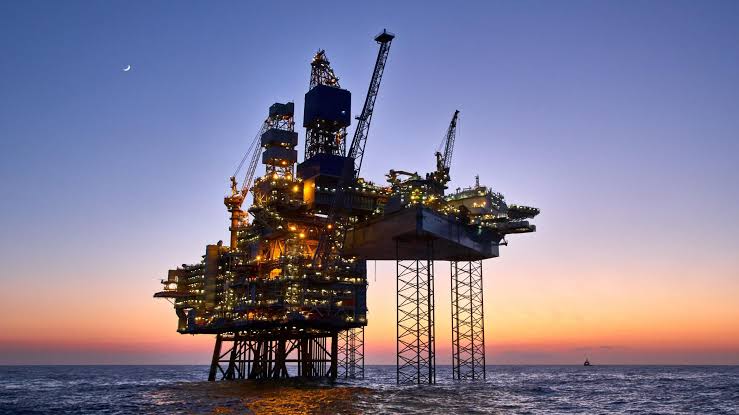
Located about 80 miles northwest of Shetland, the Rosebank field contains around 300 million barrels of oil and some gas.
Initially approved in 2023, the project faced legal setbacks after environmental groups Uplift and Greenpeace successfully argued that its climate effects had not been fully assessed.
Following the Supreme Court’s 2024 ruling that fossil fuel projects must account for emissions from both extraction and use, Equinor was required to recalculate Rosebank’s total climate footprint.
The company now estimates 249 million tonnes of carbon dioxide could be released over 25 years—more than 50 times its original estimate of 4.5 million tonnes.
Environmentalists, including Uplift’s executive director Tessa Khan, warned that approving Rosebank would undermine the UK’s net-zero target for 2050 and contradict government pledges to phase out fossil fuels.
Energy Secretary Ed Miliband has emphasized that the country’s reliance on oil and gas remains an “Achilles’ heel,” urging a transition toward cleaner energy.
Although developers argue that the field could supply oil to the UK, experts note that the output will likely be sold internationally, offering minimal benefit to domestic energy prices.
Climate advisors have said additional fossil fuel projects will have little to no effect on energy costs while worsening the global carbon crisis.
The government’s final decision on Rosebank is expected after the consultation ends on November 20, 2025, with campaigners insisting it will serve as a key test of the UK’s climate credibility.
