

By Faridat Salifu
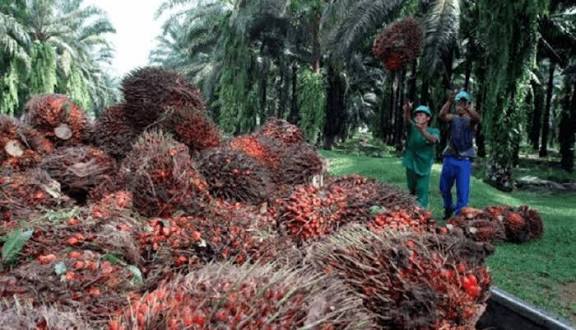
Nigeria’s palm oil industry, once a global leader before decades of decline, is regaining momentum as producers expand output, government reforms take hold and investors seek long-term opportunities in agriculture.
Official data show crude palm oil imports fell by about 26 percent in 2024, dropping from N17.03 billion to N12.6 billion, a shift that industry watchers link to stronger domestic supply chains and new processing capacity.
Large producers have reported record earnings. Presco Plc more than doubled its profit before tax to N111.9 billion in the first half of 2025, while Okomu Oil Palm Company posted a 459 percent year-on-year profit surge in the second quarter.
The government has introduced a traceability programme, known as NaPOTS, and plans to plant 100 million new palms, part of a broader strategy to reduce import dependence and strengthen Nigeria’s position in regional markets.
Global demand is also rising. With crude palm oil prices expected to reach US$1,200 per metric tonne by the end of 2025, analysts say Nigerian producers are entering a bullish price environment that could sustain growth.
For investors, the resurgence has created structured entry points through large-scale estates. Palmrich Estate, one of the developers, says ownership of 10 hectares in its managed plantations could generate as much as N2.1 billion over 30 years, combining crop income with land value appreciation.
Palm oil production offers multiple revenue streams, including fresh fruit bunches, palm kernel, and byproducts used in animal feed and cosmetics. The estates also serve as appreciating assets, adding a layer of capital growth to annual harvest income.
BusinessDay estimates that the sector has attracted N2.13 trillion in investments in the past seven years, underlining its role as one of Nigeria’s fastest-growing agribusiness frontiers.
Analysts note that palm oil’s versatility across food, energy and industrial sectors makes it more resilient to price swings than single-use commodities, a factor that has further boosted investor confidence.
With global attention on sustainable agriculture and Nigeria’s policies aligning with domestic demand, industry stakeholders say palm oil is no longer just a farm crop but a central pillar in the country’s agribusiness and investment landscape.
Source :Nairametric
