

By Abdullahi Lukman
The African Development Bank (AfDB) has reaffirmed its commitment to helping Chad achieve universal access to sanitation.
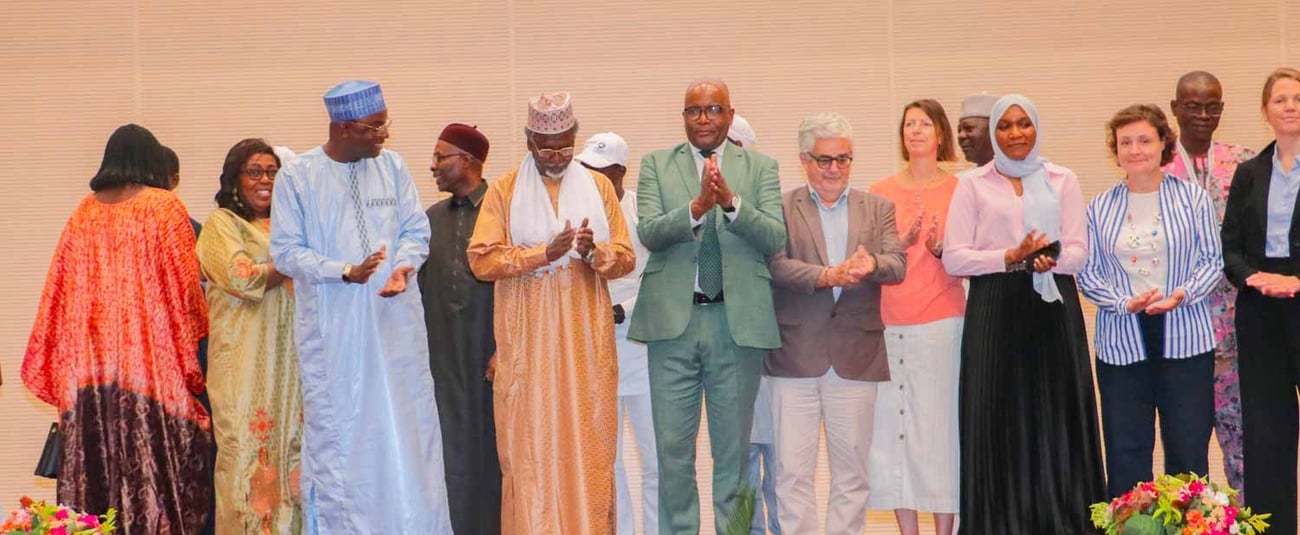
The continental bank made the reaffirmation during the country’s first National Sanitation Forum held from September 2 to 4 in N’Djamena.
Organised by the Ministry of Water and Energy under the theme “Issues, Challenges and Prospects for Sanitation in Chad”, the forum brought together government officials, international partners, municipalities, researchers, and community groups to address the country’s critical sanitation needs.
AfDB’s acting Country Manager in Chad, Claude N’Kodia, said the bank would continue supporting Chad through funding and technical expertise, noting that universal sanitation access is an attainable goal.
Chad faces a severe sanitation crisis: over 82 percent of the population lacks adequate facilities, 63 percent practice open defecation, and only 11 percent have access to safely managed sanitation. Poor sanitation is estimated to cost the country $129.5 million annually.
Participants proposed key reforms, including legal and institutional upgrades, a dedicated sanitation budget of at least 0.5 percent of GDP, and a nationwide campaign against open defecation.
The creation of a National Sanitation Office was also recommended.
Local authorities were urged to integrate sanitation into urban planning, while development partners were called upon to maintain strategic support, particularly in data systems and monitoring.
Representing the Prime Minister, Secretary of State for Higher Education Tom Erdimi described the forum as a “turning point” for Chad’s public health and development goals.
The AfDB is already funding major initiatives such as the $21.67 million Rural Drinking Water Supply and Sanitation Programme (PNEAR), and the $61.58 million Drinking Water Supply and Sanitation Programme in Semi-urban and Rural Areas (PAEPA SU MR), which focuses on climate resilience, women’s empowerment, and job creation across 11 provinces.
