

By Abbas Nazil
The Faculty of Environmental Sciences, Rev. Fr. Moses Orshio Adasu University Makurdi (MOAUM), in partnership with the Environment and Safety Management Institute and civil society groups convened the first International Conference on “River Benue and Sustainable Development in the 21st Century” from September 9–12, 2025.
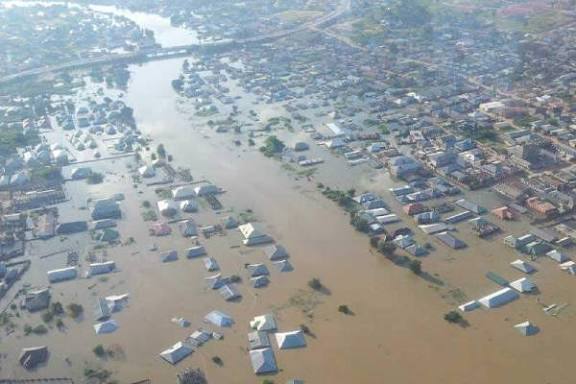
Over 200 participants from academia, government, civil society, and development organisations attended the conference, which examined the ecological, economic, and cultural value of River Benue and the threats posed by climate change, flooding, and unsustainable practices.
Acting Vice-Chancellor, Professor Simon Terver Ubwa, compared the significance of River Benue to historic rivers such as the Nile and Indus, stressing the urgent need for protection.
Dean of the Faculty, Professor Daniel Serki Ortserga, described the river as a “resource giant” but warned of challenges including farmer-herder conflicts, unsustainable fishing, and underdeveloped tourism.
Renowned scholars presented lead papers.
Professor Temi Emmanuel Ologunorisa discussed climate change and flood risk management, while Professor Olarewaju Oluseyi Ifatimehin addressed land degradation and sustainable basin development.
Stakeholders like Professor Member Genyi and Terese Ninga of the Lower Benue Development Authority called for stronger management of the river’s resources.
Dr. Kenneth Uchua of NARSDA stressed evidence-based decision-making, while Dr. Daniel Dam highlighted the river’s role in food security and national development.
More than 60 papers covered themes such as climate change, water resources, land use, health, livelihoods, tourism, and technology.
Civil society groups including GIFSEP, GERI, CSDevNet, and GLOHEF delivered goodwill messages, emphasising sustainable and inclusive management approaches.
The event concluded with a communiqué urging policy action, community participation, climate adaptation, renewable energy promotion, and harnessing tourism and transport opportunities.
The resolutions aimed at repositioning River Benue as a driver of food security, biodiversity conservation, and socioeconomic resilience in Nigeria and beyond.
