

by Faridat Salifu
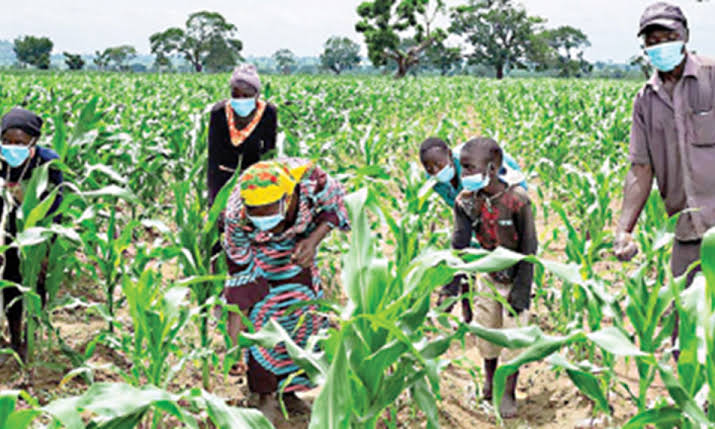
Farmers in Asa Local Government Area of Kwara State are grappling with significant losses after an unexpected three-month dry spell destroyed crops during the peak planting season.
The disaster followed the 2025 Seasonal Climate Prediction (SCP) released by the Nigerian Meteorological Agency (NiMet), which projected rainfall from May 7 to November 18, giving farmers nearly 195 days of expected rain for planting.
However, rains ceased abruptly after early showers in May, leaving June, July, and August almost entirely dry. Many farmers who had invested heavily in fertilisers, improved seedlings, and land preparation saw their harvests fail.
AbdulRazaq Hamzat, convener of the advocacy group Kwara Must Change (KMC), described the SCP as a “huge failure” with devastating implications for food security, household income, and farmer confidence.
He urged both NiMet and the federal government to explain the forecasting error and implement safeguards to prevent future crises.
While the seasonal forecast fell short, NiMet’s daily weather outlook for 12th September 2025 indicates that parts of Kwara State, along with other central states, are now experiencing isolated thunderstorms and moderate rainfall in the afternoon and evening.
Meteorologists caution that although these showers may provide temporary relief, they arrived too late to save crops already destroyed during the drought months.
Experts note that seasonal forecasts provide broad projections valuable for long-term planning, but localized daily advisories like NiMet’s recent report are crucial for immediate agricultural decisions.
The daily outlook also warns residents to stay vigilant for potential flooding and advises caution during thunderstorms due to reduced visibility.
KMC has also called for the establishment of localized weather monitoring systems across Kwara to complement national forecasts.
The group argued that community-based, real-time data could improve accuracy, help farmers make timely planting decisions, and restore confidence in forecasting services.
Analysts warn that unpredictable rainfall patterns linked to climate change pose growing challenges for Nigeria’s rain-fed agriculture, on which millions of households rely.
They stress the need for stronger climate adaptation strategies, including climate-smart farming, water management, and risk insurance for smallholder farmers.
“The trust between farmers and government agencies is fragile,” Hamzat said. “Without accountability and improved forecasting, we risk pushing rural communities deeper into poverty and threatening the state’s food security.”
As Kwara farmers assess their losses, attention is turning to both government intervention and better integration of national forecasts with local-level weather monitoring to prevent similar disasters in future planting seasons.
