
IPMAN sets fuel tanker load limit to cut emissions, prevent spills and protect infrastructure

by Faridat Salifu
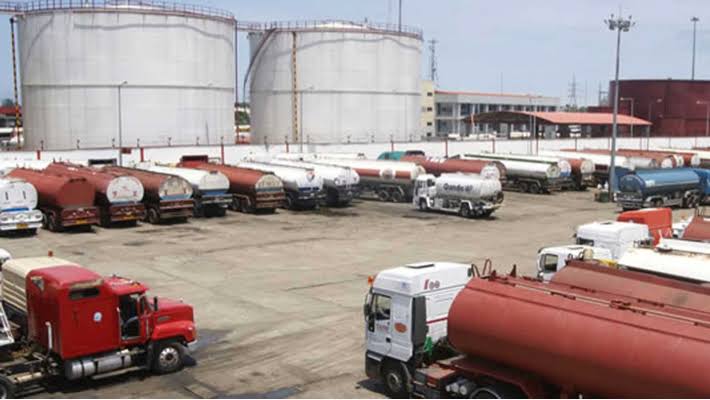
The Western Zone of the Independent Petroleum Marketers Association of Nigeria (IPMAN) has announced a new safety and environmental compliance measure limiting fuel tankers to a maximum load of 45,000 litres from October 1, 2025.
The regulation, reached through a joint resolution with government and transport stakeholders, is intended to reduce the frequency and impact of road crashes involving petroleum trucks.
Beyond safety, the move is expected to lessen road degradation, reduce carbon emissions from overloaded vehicles, and prevent large-scale environmental contamination from fuel spills.
IPMAN’s Western Zone Chairman, Chief Oyewole Akanni, said the decision was made after consultations with the Petroleum Tanker Drivers (PTD), Nigerian Association of Road Transport Owners (NARTO), the Nigerian Midstream and Downstream Petroleum Regulatory Authority (NMDPRA), and oil marketers.
He noted that tankers previously carried up to 60,000 to 90,000 litres far beyond their design capacity leading to accidents, road damage, and heightened risks of hydrocarbon leakage.
“When overloaded, the trucks become unstable and more likely to fall, spilling fuel into the soil and waterways,” Akanni said.
To reduce the environmental hazard from crashes, the government now mandates all tankers to install safety covers designed to prevent leakage unless the tank is physically punctured.
Akanni condemned the growing trend of vandalism during fuel spills, where individuals deliberately pierce tankers to scoop fuel, worsening pollution and fire risk.
He said the spate of tanker-related crashes has not only claimed lives but left a trail of contamination affecting air quality, soil health, and water safety in impacted communities.
The chairman added that night-time driving, often associated with fatigue and higher crash rates, has also been banned by the association, with a curfew imposed from 7:00 p.m. to 7:00 a.m.
IPMAN assured that it will continue to partner with regulators to strengthen enforcement of environmental and safety protocols in the downstream sector.
Akanni called for increased public awareness about the ecological and health dangers of illegal fuel scooping and unsafe tanker operations.
He stressed that the new guidelines form part of a broader effort to reduce the environmental footprint of fuel transportation and promote sustainable infrastructure use.
