

By Abdullahi Lukman
Agriculture ministers from 59 countries have called for urgent global action to safeguard water resources for food production, warning that growing water stress threatens global food security.
The call was made during the 18th Berlin Agriculture Ministers’ Conference, held under the Global Forum for Food and Agriculture (GFFA), where participants met under the theme “Water. Harvests.
Our Future.” The ministers noted that water stress already affects more than two billion people worldwide, placing increasing pressure on agriculture, fisheries and aquaculture.
In their final communiqué, the ministers stressed that although agriculture is the world’s largest user of freshwater, it also plays a vital role in the water cycle and in providing essential ecosystem services.
They identified climate change, biodiversity loss, pollution and unsustainable consumption as key factors worsening water scarcity and flooding, and called for agriculture to be placed at the centre of global water governance.
The conference reaffirmed commitments to align agricultural water management with major international frameworks, including the Sustainable Development Goals, the Paris Agreement, the Convention on Biological Diversity and the UN Convention to Combat Desertification, as momentum builds toward the 2026 UN Water Conference.
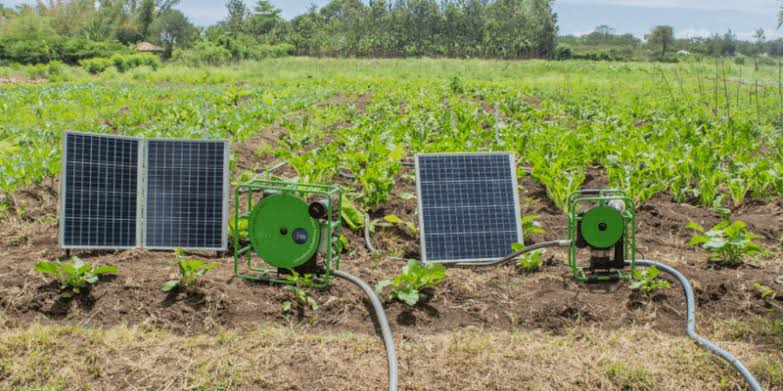
Ministers emphasized the need to improve water-use efficiency through measures such as precision irrigation, water-saving technologies, sustainable soil management, wastewater reuse and reduced food loss and waste, while ensuring the protection of public health, food safety and ecosystems.
They also warned of rising risks from both droughts and floods, calling for greater investment in flood risk management, water storage and nature-based solutions such as wetland restoration and sustainable forest management. Regenerative and conservation agriculture, agroecology and climate-resilient practices were highlighted as key responses to land degradation and declining water quality.
Innovation, research and finance featured prominently in the discussions, with ministers underscoring the importance of digital tools, artificial intelligence and improved data systems.
They called for increased public and private investment in resilient infrastructure, renewable energy and a sustainable blue bioeconomy to strengthen food systems and reduce pressure on land and water resources.
The communiqué also stressed the need for integrated and transboundary cooperation to manage competition over water resources. Ministers reaffirmed access to water as a human right and warned that water and food insecurity could drive instability and migration if not addressed.
Concluding their meeting, the ministers urged the international community to elevate agriculture, fisheries and aquaculture in global water policy discussions ahead of the 2026 UN Water Conference, pledging continued cooperation to help farmers produce more food with increasingly scarce water resources.
